In the wide plains and rolling hills of Castile, where wheat fields stretched beneath vast skies and stone villages clung to ancient roads, there lived a peasant known not for his wealth, but for his sharp mind and quiet wisdom. He owned little more than a small plot of land, a mule, and a modest home, yet his thoughts were rich, his words measured, and his judgment sound. Among his neighbors, it was often said that when disputes arose, the peasant’s counsel was worth more than a magistrate’s decree.
At that time, Castile was ruled by a powerful king whose authority reached from courtly halls to the furthest fields of the countryside. Though respected, the king was also proud of his rank and skeptical of those born beneath the nobility. He believed wisdom to be the province of scholars and lords, not of men who worked the soil with calloused hands.
News of the clever peasant eventually reached the royal court. Courtiers whispered that this common man could answer riddles with ease and resolve disputes through reason alone. Amused, and perhaps threatened, the king decided to summon the peasant. He wished to test whether such intelligence could truly dwell in someone of humble birth.
When the royal messenger arrived, the peasant bowed respectfully and agreed to travel to the court. He set out at dawn, walking the long road to the city, observing the land and reflecting quietly. He carried no finery, only his worn cloak and a calm confidence rooted in honesty rather than pride.
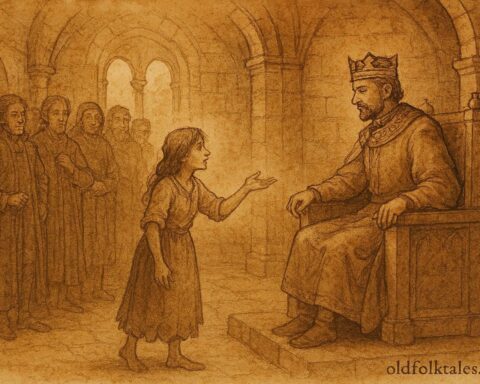
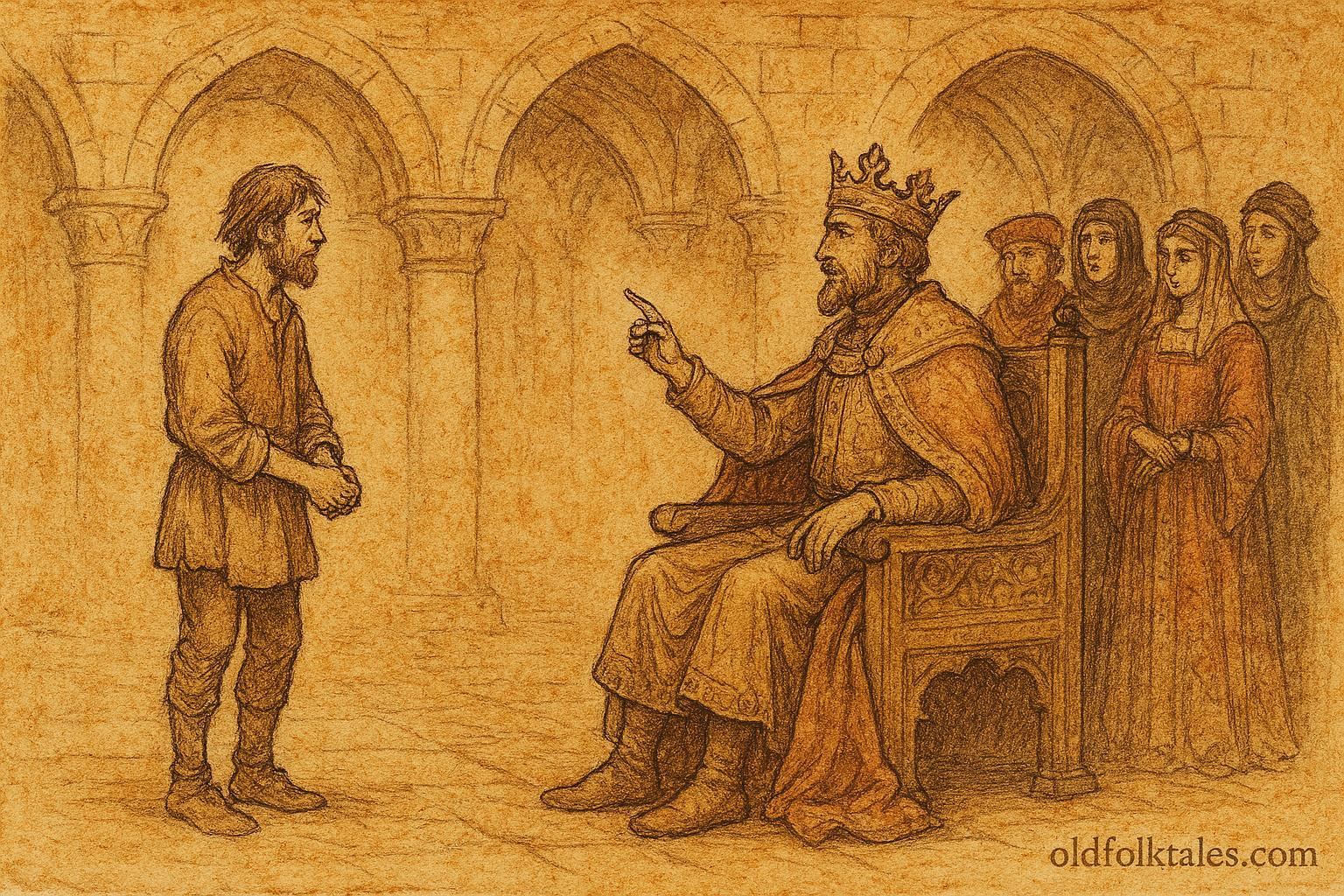
Upon arriving at the royal palace, the peasant stood before the king, surrounded by nobles, scholars, and advisors. His simple clothing drew murmurs from the court, but his posture was steady and his gaze respectful.
The king addressed him directly. He declared that if the peasant were truly as clever as rumored, he would answer a series of riddles and questions. If he failed, he would be dismissed in shame. If he succeeded, he would earn the king’s favor.
The peasant agreed, asking only that he be allowed to speak freely and truthfully. The king consented, confident in his own superiority.
The first riddle concerned justice. The king described a dispute between two men who claimed the same land, each presenting convincing arguments. He asked how one might judge fairly when truth seemed divided. The peasant replied calmly that justice was not found in loud claims, but in patient listening and understanding whose labor had sustained the land over time. True ownership, he said, lay with the one who had cared for it, not merely claimed it.
The court murmured in approval.
The second question tested wisdom. The king asked what was the most powerful force in the realm. Some courtiers whispered answers of armies or gold. The peasant answered instead that wisdom was the greatest power, for it guided strength, restrained greed, and preserved peace. Without wisdom, he said, power destroyed itself.
The king frowned but allowed the test to continue.
Finally, the king posed a riddle meant to humiliate the peasant. He asked how a poor man could ever be equal to a king. The peasant paused, then replied that before the law of death, all men stood equal, and before the demands of justice, wisdom mattered more than crowns. A king ruled by power, but a wise man ruled his own actions, and that, he said gently, was the greater mastery.
Silence filled the court.
Rather than responding in anger, the king reflected. The peasant had answered every challenge without arrogance, using reason rather than insult. The king realized that his own authority rested not only on birthright, but on fairness and sound judgment. To deny such wisdom simply because it came from a peasant would be unjust.
Acknowledging this, the king praised the peasant publicly. He rewarded him with land, protection, and a place of honor among those who advised on matters of fairness and dispute. The peasant accepted with humility, promising to remain loyal not only to the crown, but to justice itself.
When he returned home, he did not abandon his roots. He continued to work the land and help his neighbors, now with greater means but unchanged spirit. His story spread across Castile, reminding both nobles and commoners that intelligence and moral insight were not granted by birth, but earned through thought, experience, and integrity.
Thus, the clever peasant became a symbol of social justice, proof that wit and wisdom could elevate even the humblest soul, and that true authority rested in fairness, not force.
Moral Lesson
This tale teaches that wisdom and moral insight outweigh noble birth and brute power. True justice arises when intelligence, humility, and fairness guide authority, allowing society to recognize merit wherever it appears.
Knowledge Check
-
Q: Who is the main character of the folktale?
A: A poor but clever peasant from Castile. -
Q: Why does the King of Castile summon the peasant?
A: To test whether wisdom can truly exist in someone of humble birth. -
Q: How does the peasant prove his intelligence?
A: By answering riddles and questions with wisdom and fairness. -
Q: What theme does the story emphasize most strongly?
A: Wisdom over power and justice over social hierarchy. -
Q: How does the king respond after the test?
A: He rewards the peasant and acknowledges his wisdom. -
Q: What cultural region does the tale originate from?
A: Castile, central Spain.
Source: Juan de Timoneda, El Patrañuelo, 1567
Cultural Origin: Castile, Central Spain