In the rolling countryside of 17th-century France, where villages dotted the valleys and markets hummed with gossip and trade, storytellers delighted in tales that amused as much as they instructed. Among the most celebrated figures was the fox, a creature small in stature yet immense in cunning. Neither the strongest nor the wealthiest, the fox triumphed by wit alone, outsmarting humans, wolves, and even fellow animals, exposing vanity, greed, and folly wherever it went.
These were not mere animal fables. They were mirrors held up to human behavior, demonstrating that cleverness can prevail where brute strength or status fails, and that arrogance often sows its own misfortune.
The Fox Among Men
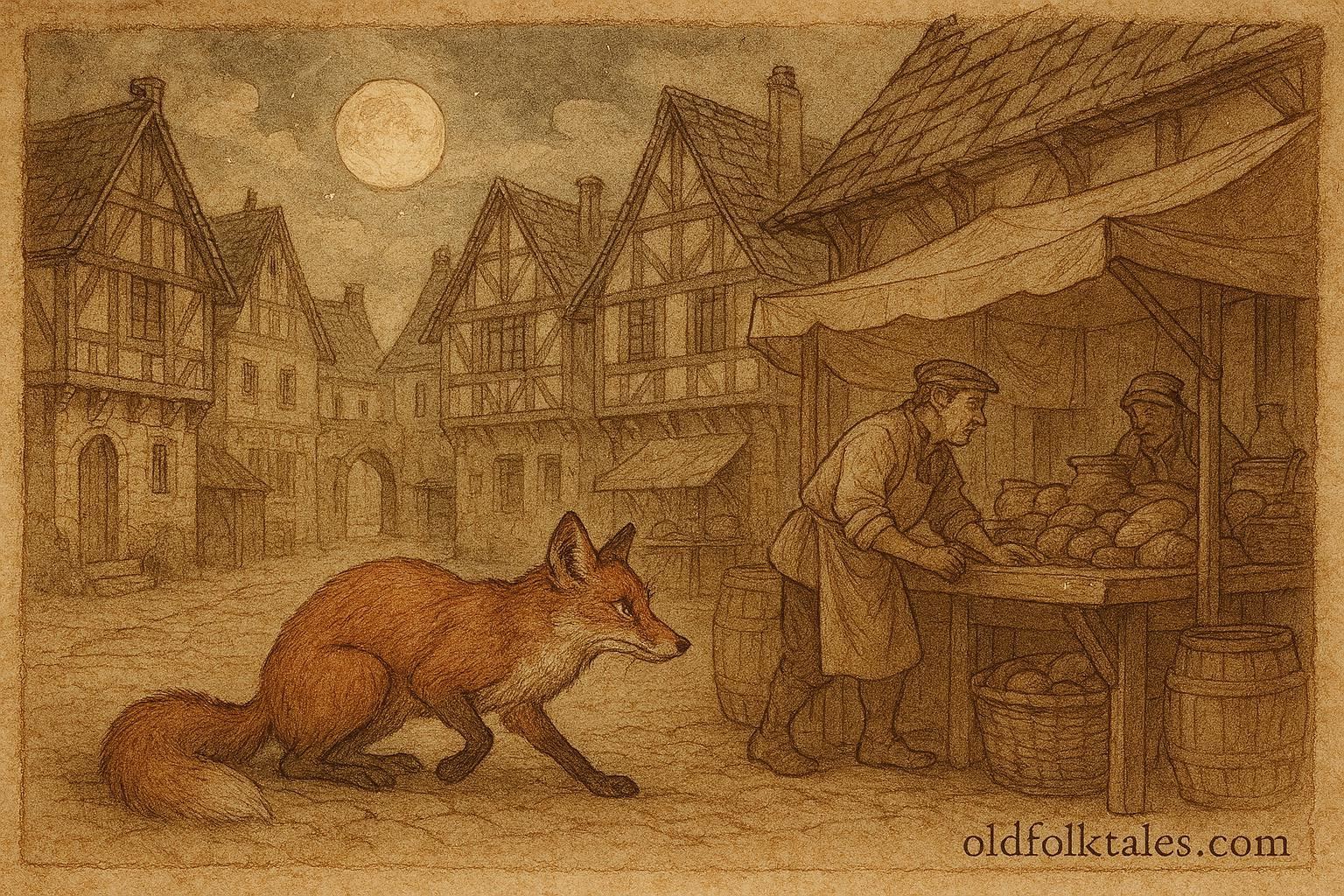
The fox was not a trickster of malice. Rather, he was a teacher in fur and tail, showing humans the consequences of their pride and foolishness. In village marketplaces, one might hear of the fox luring a boastful rooster into trouble by flattering his singing voice. Or a greedy farmer might be deceived into trading a precious loaf of bread for a hollow promise, simply because the fox had spun a clever tale.
One famous account describes a wealthy merchant who prided himself on his sharp eyes and cunning mind. He had long boasted that no creature, man or beast, could deceive him. The fox, hearing of this, hatched a plan to humble him. One moonlit night, the fox approached the merchant’s storeroom, pretending to stumble upon a treasure map. He spoke of riches buried in a distant orchard, whispering secrets with perfect sincerity. The merchant, unable to resist the allure of easy wealth, set out with a lantern and shovel. Hours later, he returned, covered in mud, empty-handed, while the fox watched from the shadows, tail flicking in satisfaction.
Lessons in the Forest
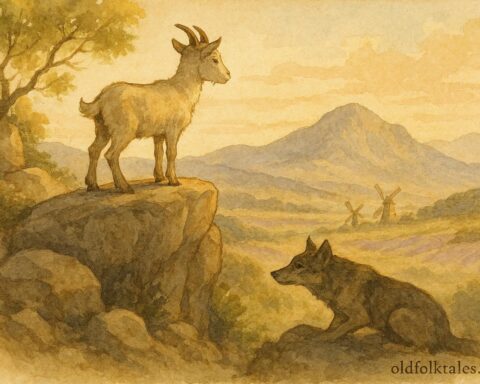
The fox also interacted with creatures other than humans. Wolves, boasting of their strength, often underestimated him. A tale recounts how a wolf demanded the fox fetch food for him, confident the weaker creature could not resist fear. The fox promised to bring the choicest meal but instead led the wolf on a twisting chase through thickets and streams. Exhausted, the wolf learned humility; the fox, though small, remained unscathed, triumphant through wit rather than force.
Even birds and farm animals figured into these stories. A proud rooster, convinced he could outsmart all who crossed him, might find himself caught in a net after trusting the fox’s flattery. A cow, vain of her milk, could be tricked into giving more than intended. Each narrative carried a gentle moral: intelligence can serve justice, and pride or greed often blinds one to simple truths.
The Fox as Social Satire
Jean de La Fontaine, the famed 17th-century fabulist, immortalized these tales in his Fables choisies. Through his literary lens, the fox’s exploits became more than forest antics, they were reflections of society. Kings, merchants, and peasants could all recognize themselves in his stories. The fox mocked arrogance, rewarded cleverness, and reminded listeners that brains can outweigh brawn, and humility is often safer than hubris.
In one notable story, a fox observes a pompous nobleman who continually boasts of his wealth and wisdom. The fox feigns admiration, spinning elaborate flattery to gain entry into the nobleman’s pantry. Once inside, he nimbly takes what he desires, leaving the man bewildered and embarrassed. The audience, listening to La Fontaine’s fable, could chuckle at the fox’s cunning while reflecting on the folly of self-importance.
Wit Over Might
Across these tales, a common thread persists: the fox, though physically weaker, uses intelligence as both shield and weapon. He respects no hierarchy that relies solely on size, strength, or social rank. Every boastful wolf, greedy merchant, or vain rooster meets their comeuppance in turn, their errors exposed through clever schemes.
The fox embodies the value of observation and forethought. He teaches that careful planning, patience, and creativity often succeed where aggression fails. Moreover, his stories reinforce moral caution: arrogance blinds, greed tempts, and folly is easily exploited, but prudence and wit can prevail.
Enduring Legacy
Though centuries have passed since La Fontaine’s Fables choisies first appeared in 1668, the fox continues to charm audiences. His stories endure in classrooms, theaters, and oral retellings across France and beyond. Children delight in his clever escapes; adults recognize timeless truths beneath the humor. He is, above all, a reminder that intelligence is a powerful tool, capable of leveling the field against those stronger or wealthier, and that the clever often succeed through understanding and foresight.
The fox’s tales are not merely entertainment. They are wisdom in disguise, urging readers to respect intelligence, caution, and humility. And for those who listen carefully, they offer a mirror to human nature, reflecting the consequences of pride, greed, and vanity.
Discover the timeless charm of French, Dutch, and Belgian stories filled with cleverness and heart
Moral Lesson
Cleverness and careful thought can triumph over strength, wealth, and status. Arrogance and greed often lead to one’s downfall, while wit and prudence provide protection and justice.
Knowledge Check
1. What character is central to these French folktales?
The fox, a trickster figure renowned for cleverness.
2. What behaviors does the fox typically expose?
Human greed, vanity, arrogance, and foolishness.
3. Which famous 17th-century author collected and popularized these tales?
Jean de La Fontaine, in Fables choisies.
4. How does the fox usually triumph over stronger or wealthier characters?
Through intelligence, clever schemes, and strategic thinking.
5. What themes define the fox’s stories?
Wit, cunning, justice through intelligence, and critique of arrogance.
6. What cultural context do these tales reflect?
17th-century France, blending literary tradition with older oral storytelling.
Source: Jean de La Fontaine, Fables choisies (1668), France.
Cultural Origin: France (17th-century literary and oral traditions).