High in the sun-drenched valleys of Valais, Switzerland, where terraced vineyards clung to steep hillsides and the air smelled of ripening grapes and wild herbs, farmers toiled from dawn until dusk. Generations had cultivated these slopes, coaxing sweetness from the soil and weathering the harsh mountain climate. Yet amid the beauty of the land, whispers spoke of small, unseen beings, the Little Folk of Valais, who watched over the vineyards and orchards, rewarding respect and punishing greed.
This is a tale of hidden guardians, secret dances, and moral justice, recorded in oral folklore of the 19th century and preserved in regional collections.
Discover the timeless charm of French, Dutch, and Belgian stories filled with cleverness and heart
The Secret Protectors
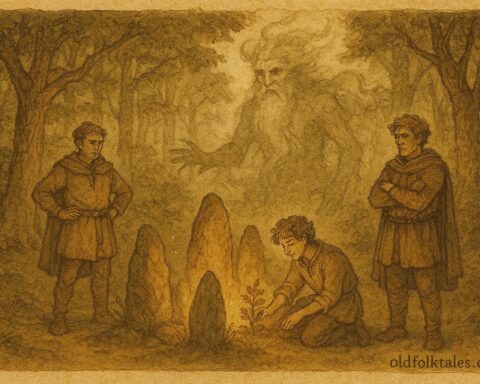
Farmers in the Valais region believed that every vineyard and orchard had tiny, invisible inhabitants. These little folk, often described as no taller than a child’s hand and clothed in moss, leaves, or vine tendrils, were playful yet exacting.
“They are guardians of the land,” an elder once explained. “They bless those who honor the vines, and punish those who steal, lie, or cut the grapes prematurely.”
The little folk moved unseen, yet signs of their presence were everywhere. At dawn, farmers might find tools neatly stacked, soil tilled, or a basket of fresh grapes left as a gift. At night, faint laughter, tiny footprints, or the glimmer of miniature lanterns among the vines marked their dancing and celebration.
Reward for Respect
A farmer named Pierre, known for his diligence and humility, always worked with care. He spoke to his vines as if they were living friends, trimmed the branches gently, and shared fruit with neighbors and travelers.
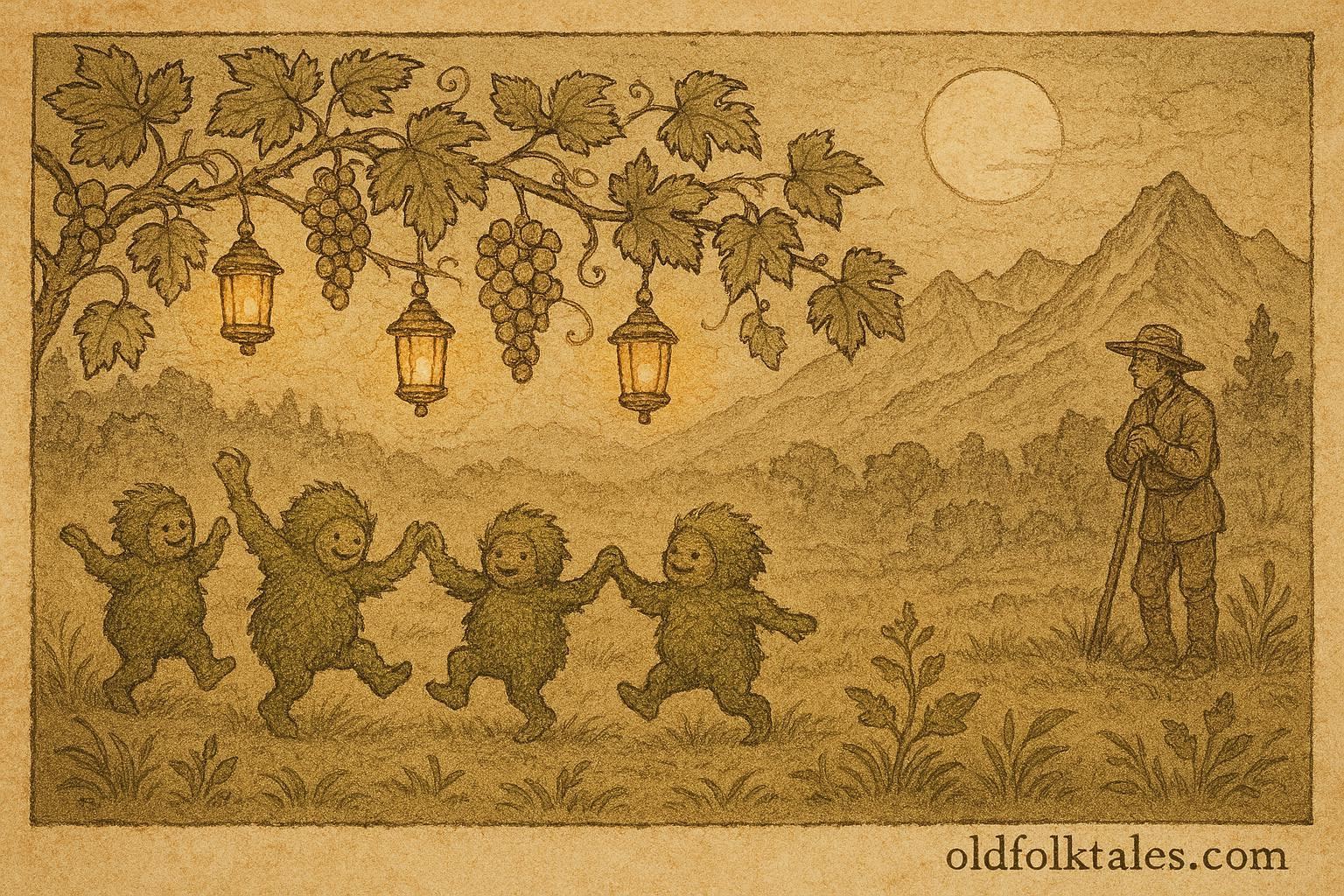
One night, as he rested in his modest home after a long day, Pierre heard soft, tinkling music drifting from the vineyard. Curious, he stepped outside. There, beneath the silver moonlight, he glimpsed the little folk dancing in circles around the grapevines. Their movements were quick yet graceful, spinning and leaping as if the vines themselves were celebrating with them.
Pierre watched silently, not daring to interrupt. The little folk noticed his respect and, in gratitude, left small treasures at the edge of his vineyard: a pouch of gold coins, tiny bundles of herbs, and clusters of grapes sweeter than any he had ever tasted. Pierre’s crops flourished beyond measure that year, and his neighbors marveled at the extraordinary bounty.
Punishment for Greed
Not all farmers heeded the wisdom of the little folk. One particularly greedy vintner, Jacques, coveted the fertile terraces of his neighbor. He plucked grapes before they were ripe, trampled young shoots, and mocked the tales of the tiny guardians as superstition.
One moonless night, Jacques crept into his vineyard, determined to harvest every cluster of grapes he could find. As he worked, a strange sound filled the air: faint laughter, the scraping of tiny feet, and the rustle of leaves. Suddenly, his baskets became impossibly heavy, as if filled with rocks. The grapes he tried to gather turned bitter in his hands. Even worse, when he tried to leave, his boots seemed rooted to the soil, as though the earth itself had gripped him.
At dawn, Jacques was found sitting helpless among the vines, frightened and exhausted. The little folk had punished his greed, teaching him that disrespect for the land and dishonesty brought misfortune. From that day forward, he worked humbly, never again attempting to cheat or take more than he needed.
Dancing Beneath the Stars
The little folk’s nightly dances were central to the lore. Villagers described seeing shadows moving in perfect circles between the vines, hearing soft chimes like crystal bells, and sensing the rhythm of ancient, unseen drums.
It was said that their dances were not merely entertainment; they were ceremonies honoring the earth, the sun, and the seasonal cycles. Those who observed with humility were blessed with fertility in their soil, abundant harvests, and protection from pests. Those who attempted to spy on or disturb the dances faced mischievous tricks: tools vanished, barrels tipped over, and lanterns extinguished.
The dances reinforced a moral code: those who lived in harmony with nature prospered, while those driven by greed or disrespect faced natural, and supernatural, consequences.
Gifts and Guidance
The little folk were known to leave gifts, small but valuable: golden coins, baskets of perfectly ripened fruit, or herbs with healing properties. Farmers learned that these offerings were not simply rewards; they were reminders to act with integrity, care, and communal responsibility.
For example, a widowed woman, Marie, who tended her small vineyard with devotion and shared her grapes with hungry children, found at her doorstep tiny silver tools for pruning, far superior to any she had owned. Her vineyard flourished, and the community benefited from her generosity.
Such stories reinforced the idea that morality and respect for the environment were intertwined with material well-being. The little folk symbolized balance: the land thrives when nurtured and suffers when exploited.
Lessons in Harmony
Over the years, the legends of the little folk shaped the lives of the Valais villagers. Elders taught children that the vineyards were sacred spaces, deserving attention, patience, and gratitude. They understood that the tiny guardians were not mere fairy tales but embodiments of the principles of reciprocity and care.
The story also encouraged cleverness and mindfulness. Farmers learned to observe the land closely, recognize signs of life and health, and respond with thoughtful action rather than haste or greed. The little folk, while unseen, became moral guides, teaching humility and community values.
Moral Lesson
Respect for nature, honesty, and generosity bring reward, while greed and selfishness invite misfortune. Harmony with the environment and mindfulness in one’s work ensure both prosperity and moral integrity.
Knowledge Check
1. Who are the Little Folk of Valais?
Tiny, hidden beings that protect vineyards and orchards, rewarding virtue and punishing greed.
2. What types of behavior do the little folk reward?
Humility, diligence, respect for nature, and generosity toward neighbors.
3. How are greedy or disrespectful farmers punished?
Their crops fail, tools vanish, baskets become heavy, and misfortune befalls them.
4. What is the significance of the dances?
The dances honor the earth and seasonal cycles, reinforcing moral lessons about harmony and respect.
5. Where is this folktale from?
The Valais region, French-speaking Switzerland.
6. What central themes are emphasized in the story?
Harmony with nature, reward for virtue, punishment for greed, and community values.
Source: Oral folklore recorded in regional collections of Valais, Switzerland, 19th century.
Cultural Origin: French-speaking Valais, Switzerland.