In the heart of Wallachia, where rolling hills met dense forests and the sound of rivers echoed through the valleys, there stood a grand castle belonging to a powerful king. His court glittered with gold and jewels, yet behind the pomp and ceremony, whispers of corruption and greed lingered among the nobles.
In a small village at the foot of the hills lived a young man named Andrei. Honest and clever, Andrei was known for his wit, his careful judgment, and his desire to see justice done, even when others ignored wrongdoing. Though he was of humble birth, he dreamed of a day when he could use his talents to make a real difference.
Experience legends where mountains breathe magic and heroes face moral choices that shape destiny
One afternoon, as Andrei wandered near the ruins of an old monastery, he discovered something extraordinary. Half-buried beneath the stones lay a ring of shining silver, engraved with strange, twisting symbols. Curiosity overcame him, and he slipped it onto his finger. The moment he did, the world shifted: he vanished from sight, becoming completely invisible.
He tested the ring carefully, marveling at its power. He could move unseen through the village streets, into the forest, or even into the castle itself. Andrei realized immediately that such magic could be used for great good, or great harm.
Returning to his village, Andrei heard tales of injustice from travelers and merchants: corrupt officials had seized lands, cheated the poor, and punished those who spoke out. Andrei’s heart burned with the desire to act, yet he knew he must be careful. Invisibility would give him the advantage, but it was his cleverness, not mere magic, that would bring justice.
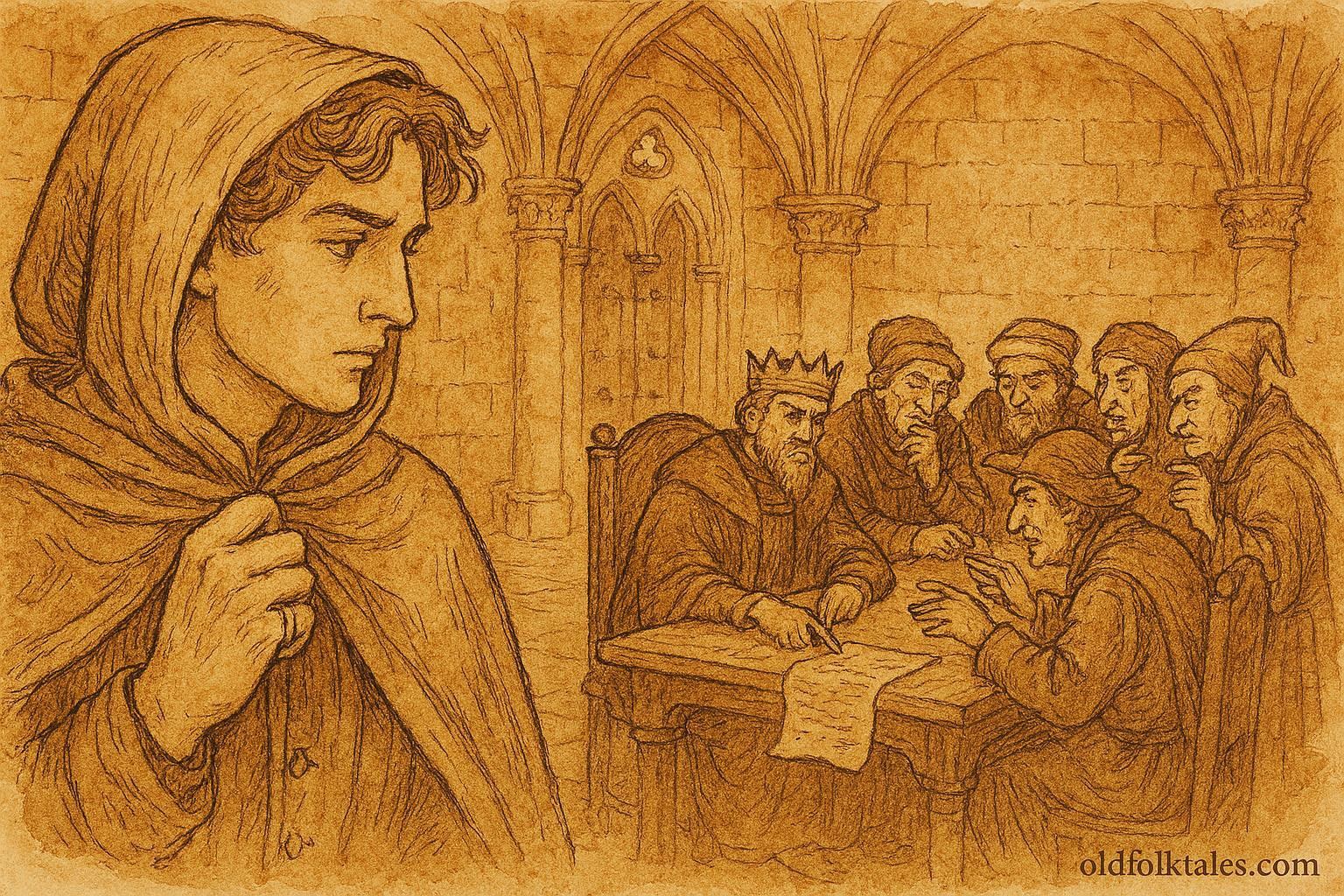
Over the following weeks, Andrei used the ring to enter the king’s court unnoticed. He observed ministers accepting bribes, tax collectors stealing from peasants, and schemers plotting for personal gain. Every evening, he returned home and recorded what he had seen, planning how to reveal the truth without endangering himself or the innocent.
One day, a young servant approached him secretly, whispering of a plot to seize the wealth of a widow in the village. The officials intended to take her lands under false claims. Andrei’s eyes narrowed. He could not allow this.
That night, invisible, he followed the corrupt men as they prepared their deceit. He cleverly replaced their false documents with genuine ones and left subtle clues to alert the widow of the danger. When the officials came to claim her land the next morning, they were met with a firm and lawful resistance, proof in hand that exposed their scheme.
Word spread quickly through the village: someone had protected the widow and foiled the corrupt officials. Though none knew who, Andrei took quiet satisfaction, knowing justice had been served.
Encouraged by these successes, Andrei turned his attention to the royal court. During a lavish banquet, he entered the castle halls unseen. He overheard secret plans of embezzlement and uncovered hidden treasures that had been unlawfully collected from the people’s taxes. Using his cleverness, he planted evidence and left messages that guided loyal ministers to uncover the corruption.
The king, alarmed at first, soon realized that justice had prevailed without disturbance to the kingdom’s peace. The guilty were punished, the innocent protected, and order restored.
Throughout all this, Andrei remained invisible, yet he was careful never to let the power of the ring corrupt him. He did not seek riches, revenge, or fame. His actions were guided by morality, fairness, and the desire to see the kingdom flourish honestly. Over time, the people began to speak of an unseen guardian who ensured justice, though none knew the hero’s true identity.
Eventually, Andrei returned the ring to its hiding place within the monastery ruins. He understood that true power lay not in the magic of invisibility, but in the wisdom and courage to act rightly. Though the ring remained, he no longer needed it to continue serving his village and his kingdom, for his cleverness and sense of justice had earned the respect of both commoners and nobles alike.
The tale of Andrei and the magical ring became legend, a story told to remind future generations that courage, intelligence, and morality could overcome corruption, even where power seemed absolute.
Moral Lesson
The King’s Magic Ring teaches that power must be guided by morality and cleverness. True justice comes from courage, intelligence, and integrity, not from fear or force, and even the humblest person can protect the innocent and challenge corruption.
Knowledge Check
1. What magical object does Andrei discover?
A silver ring that grants him complete invisibility.
2. How does Andrei use the ring?
To observe corrupt officials, protect the innocent, and expose wrongdoing in the king’s court.
3. Why does Andrei avoid seeking personal gain?
He values morality, fairness, and justice over wealth or fame.
4. How is justice restored in the kingdom?
Through Andrei’s clever interventions, evidence is revealed, the guilty punished, and the innocent protected.
5. What themes are central to this Romanian folktale?
Justice, cleverness, morality, responsible use of power, and courage of common folk.
6. Where and when was this folktale collected?
From Wallachia, Romania, collected by Petre Ispirescu in Basme românești, 1882.
Source: Collected in Basme românești by Petre Ispirescu, 1882
Cultural Origin: Romanian folklore, Wallachia, 19th century