In the folktales of France, strength alone was never enough. Castles rose high and kings wore crowns, giants strode across the land and ogres ruled with fear, yet time and again it was not force that prevailed, but wit. These stories, passed from hearth to hearth and later preserved in writing, reflected a quiet but powerful truth: in a world shaped by rigid hierarchy, intelligence offered a path where birth and muscle could not.
French folktales did not always place their heroes on thrones or in shining armor. More often, the central figures were peasants, tailors, youngest sons, or children thought too small, too poor, or too insignificant to matter. Their victories were rarely loud. Instead, they unfolded through careful speech, sharp observation, patience, and an ability to read human weakness.
These tales emerged from both courtly and rural traditions, shaped by everyday realities. France in the seventeenth century was a land deeply divided by class. Noble birth determined opportunity, and brute authority governed most lives. Within this structure, folktales became a safe space to imagine justice, one achieved not through rebellion, but through cleverness.
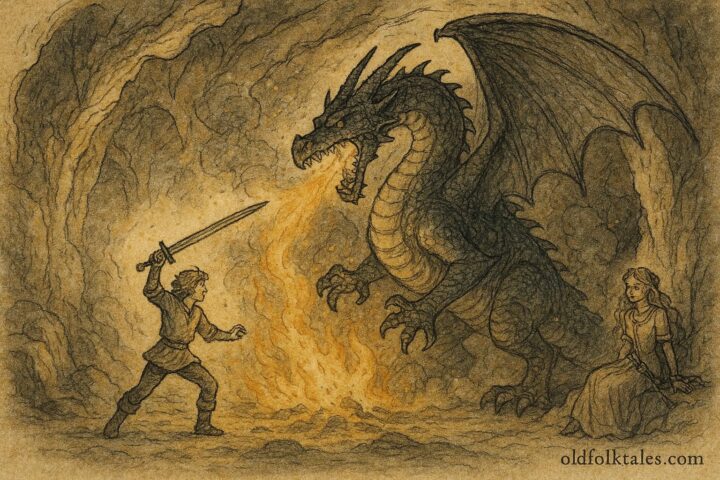
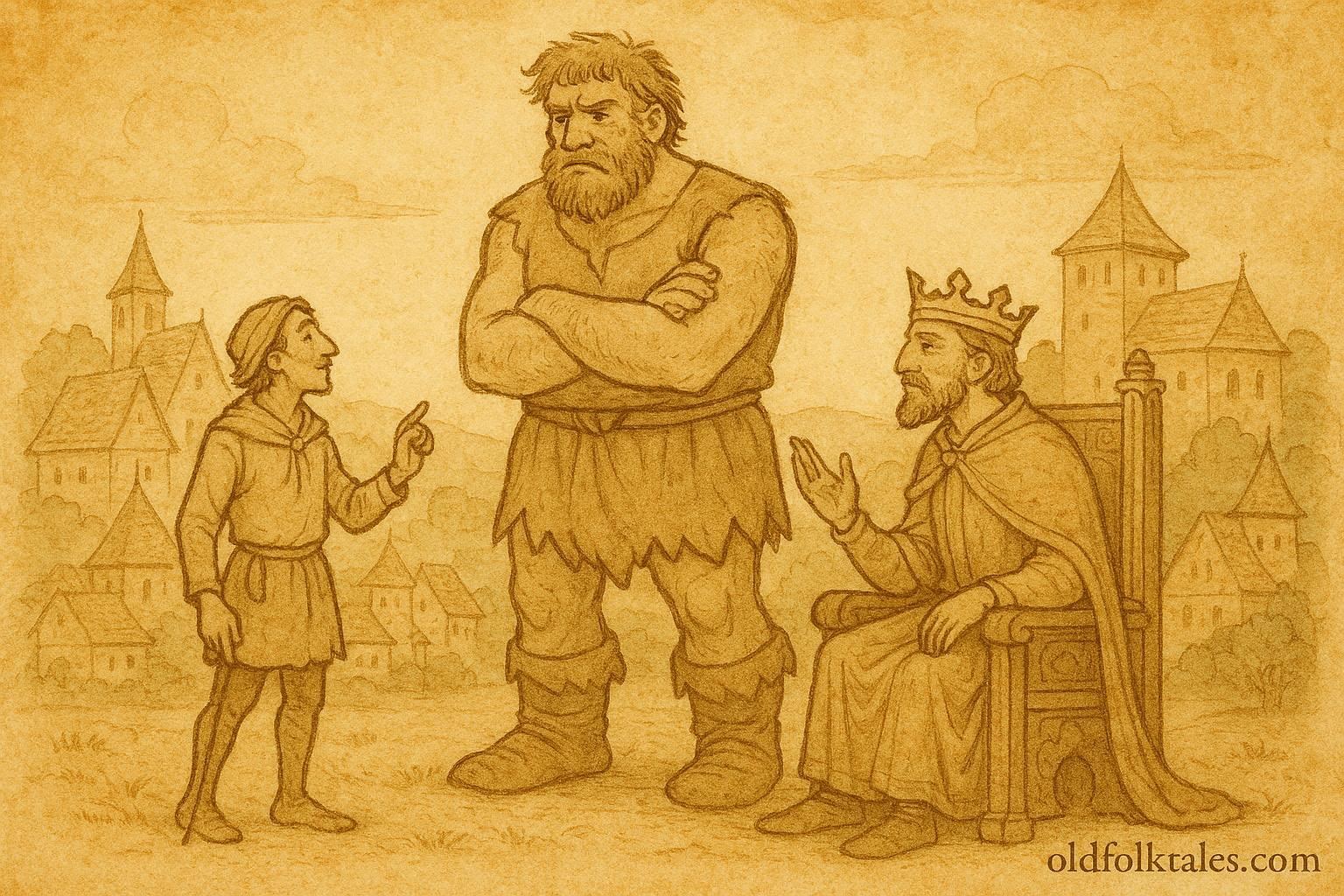
In these stories, kings were often powerful yet flawed, easily flattered or misled. Giants possessed great strength but little foresight. Supernatural beings relied on fear rather than intelligence. Against them stood characters whose only advantage was their mind.
A poor peasant might be ordered to perform an impossible task, not through cruelty alone but as a test of obedience. Where strength would fail, wit prevailed. The clever hero listened carefully, twisted words to his advantage, or reframed the challenge entirely. What appeared to be obedience was often quiet defiance, disguised through politeness and humor.
In many such tales, speech itself became a weapon. The clever characters spoke cautiously, choosing words that could not be used against them. They answered riddles with riddles, turned threats into jokes, and allowed their enemies to underestimate them. This underestimation was essential. Giants laughed. Kings dismissed them. It was this arrogance that led to defeat.
French folktales rarely portrayed cleverness as reckless trickery. Wit was shown as disciplined and patient. The successful hero waited for the right moment, observed carefully, and struck only when the outcome was assured. Strength was loud and impatient; intelligence was quiet and precise.
One recurring figure in these stories is the youngest child. While older siblings rely on inherited status or physical dominance, the youngest listens. They notice patterns others ignore. They respect instructions while understanding how to bend them. Their success reinforces the idea that merit, not birth order or privilege, determines worth.
This theme appears clearly in the folktales gathered by Charles Perrault, whose Contes de ma mère l’Oye captured stories already old by the time he wrote them. Perrault did not invent these values; he preserved them. His tales reflect a society aware of injustice but unwilling to glorify chaos. Cleverness allows order to be restored without overturning the world entirely.
Importantly, clever heroes were not portrayed as cruel. Their victories rarely ended in destruction. Instead, villains were outwitted, embarrassed, or rendered powerless by their own foolishness. This reinforced a moral balance: intelligence should correct excess, not replace it with brutality.
Social mobility, though limited in real life, found expression in these tales. A poor tailor might rise in status. A peasant could earn royal favor. Yet success was always earned through thought, not chance. Even magical assistance required intelligence to use properly. Magic alone was never enough.
These stories also served as instruction. Children listening by the fire learned that shouting and fighting were not signs of strength. Listening, thinking, and choosing words carefully were. Respect for authority was encouraged, but blind obedience was not. The clever hero navigated power rather than confronting it directly.
Underlying these narratives is a quiet call for justice. Not revolutionary justice, but moral balance. Kings who abused power were exposed as foolish. Giants who relied on fear were shown to be fragile. Authority was not denied, but it was tested.
French folktales therefore presented intelligence as a universal equalizer. Wit belonged to anyone willing to observe, learn, and wait. It was not inherited. It could not be taken away by force. In a society defined by rank, this idea carried deep emotional power.
Even today, these tales endure because their message remains recognizable. Strength fades. Titles fall. But intelligence, carefully applied, reshapes outcomes. The heroes of French folktales remind us that the sharpest weapon has always been the mind.
Explore the wit and wisdom of Western Europe, where humor and virtue often go hand in hand
Moral Lesson
French folktales teach that intelligence, patience, and careful speech can overcome strength, status, and fear. True power lies not in dominance, but in understanding human nature and acting with wisdom.
Knowledge Check
1. What do French folktales emphasize more than physical strength?
They emphasize intelligence, cleverness, and strategic thinking.
2. Who are the typical heroes in French wit-based folktales?
Peasants, tailors, youngest children, and underestimated figures.
3. What role does social class play in these stories?
Cleverness allows characters to rise beyond rigid social hierarchies.
4. How are kings and giants often portrayed in these tales?
As powerful but flawed, arrogant, or easily deceived.
5. Why is wit considered a form of justice in French folklore?
It restores balance without relying on violence or chaos.
6. What cultural lesson do these stories teach children?
That patience, intelligence, and observation are stronger than force.
Source & Cultural Origin
Source: Contes de ma mère l’Oye (Tales of Mother Goose) by Charles Perrault, 1697
Cultural Origin: France (court and rural oral traditions)