In 17th-century France, where grand palaces sparkled in the sun and humble cottages lined quiet country roads, stories of disguise and hidden identity captivated listeners of all ages. In these tales, no one was quite what they seemed. Princes might wander the streets in tattered garments, servants could reveal noble hearts beneath modest clothes, and true virtue often lay hidden until the moment of revelation. These stories, preserved by Charles Perrault and other storytellers, were both entertainment and moral instruction: teaching that truth cannot remain concealed forever, and that appearances are often deceptive.
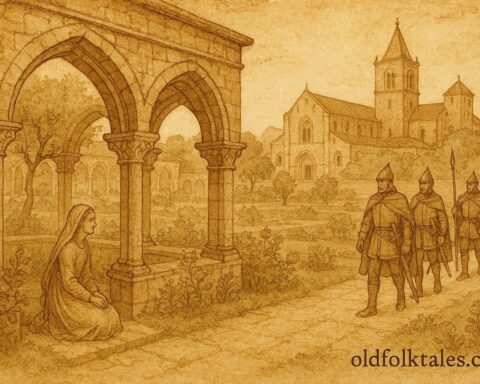
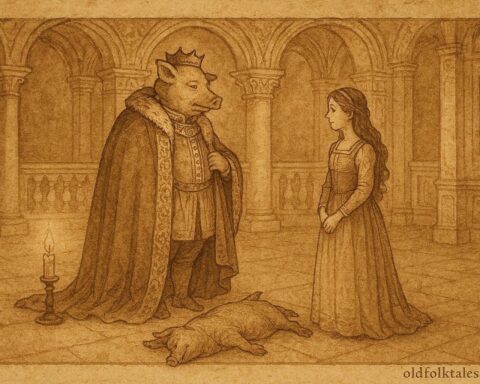
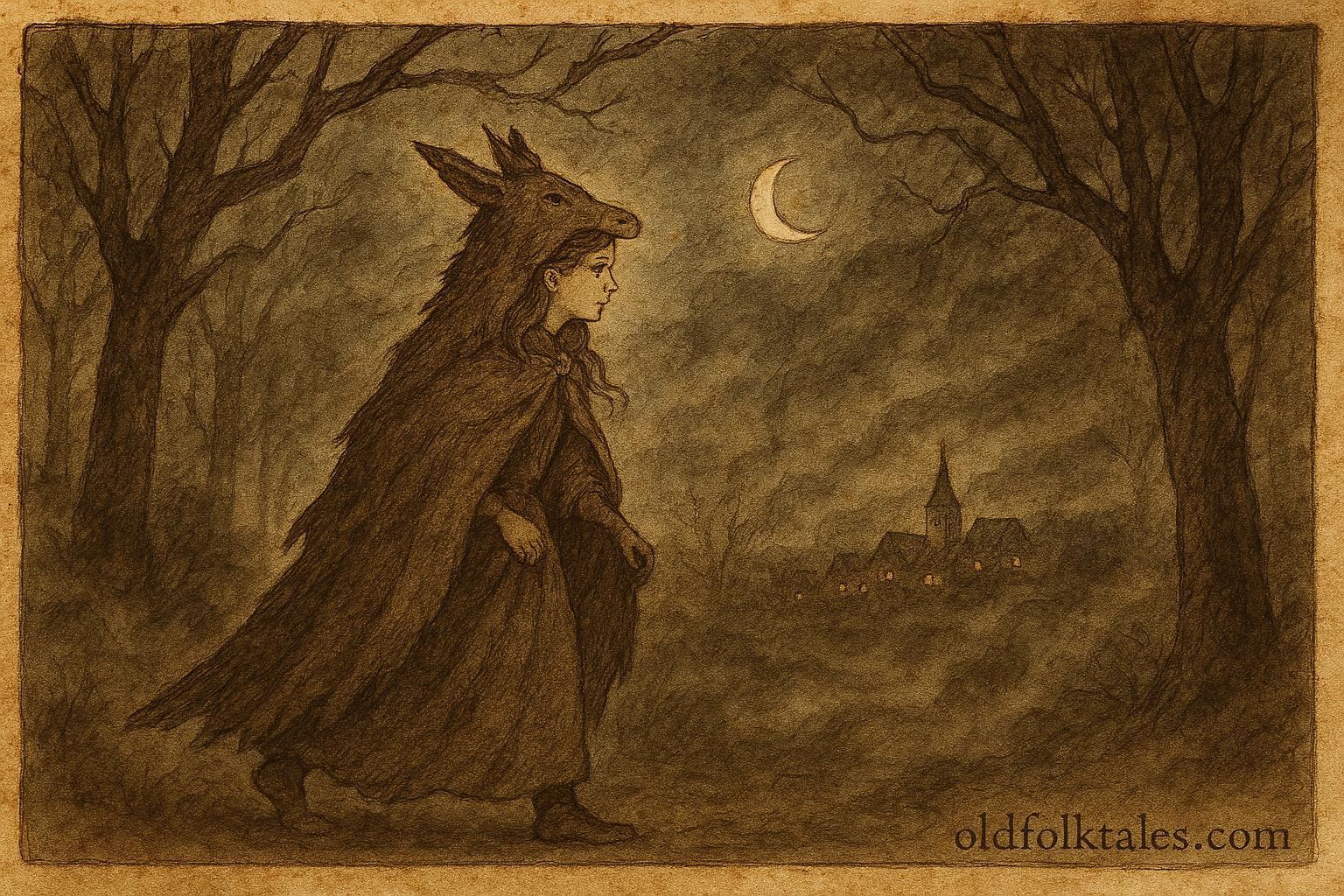
One of the most famous tales, Peau d’Âne (Donkeyskin), illustrates this principle with clarity. A young princess, facing cruel demands from her father, takes refuge in disguise. Wearing the hide of a magical donkey, she leaves behind her royal home and wanders through forests and villages, unseen by those who might seek her harm. Her choice is both pragmatic and moral: it preserves her life while testing the loyalty and compassion of those she encounters.
The princess’s journey is a study in disguise and human perception. In tattered clothing and with a face half-hidden beneath a hood, she appears humble and unremarkable. Yet, through small acts of kindness, intelligence, and care, her inner nobility shines. Shepherds, villagers, and servants may notice her gentle manners or unusual grace, but they do not grasp her royal identity. Through this careful layering of appearances, the tale teaches listeners that true worth is not always visible at first glance.
In these stories, deception is not inherently evil. It is often a necessary tool for survival or for testing character. Princes pose as beggars to find true love, servants disguise themselves to prove loyalty, and clever young people assume false roles to expose injustice. The central lesson is that while appearances can deceive, truth has a way of revealing itself, and justice ultimately prevails.
The narrative tension in these tales comes from the contrast between the character’s external disguise and their internal virtue. Listeners are invited to perceive the hidden nobility that others cannot see. The princess in Peau d’Âne, for example, is feared or ignored in her donkeyskin, yet her intelligence and kindness subtly influence those around her. This contrast amplifies the story’s moral force: courage, virtue, and wisdom will eventually be recognized, even if hidden beneath layers of deception.
Disguise also serves as a moral and psychological trial. Characters are tested not only by external threats but by how others respond to their concealed identity. The prince who later discovers the princess’s true form must recognize her for who she truly is, not for the outward appearances she has presented. Similarly, those who judge hastily by surface impressions, mocking a beggar or dismissing a servant, may miss opportunity, virtue, or justice. These stories encourage listeners, young and old, to look deeper than the surface and to value the unseen qualities of character.
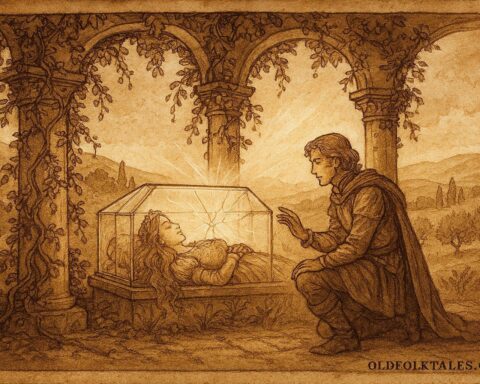
The climactic moment of revelation is always satisfying and morally instructive. In Peau d’Âne, the princess removes her disguise at a critical moment, revealing her beauty, intellect, and rightful status. The prince, who has observed her virtue even while she was hidden, recognizes her true worth. Those who doubted, mocked, or oppressed her are humbled. The story concludes with justice restored: truth prevails, identity is honored, and virtue is rewarded.
French folktales frequently use symbolism in disguises. Clothing, masks, or magical coverings are not mere props, they represent social barriers, danger, or moral concealment. A royal gown under a donkeyskin signals hidden nobility. A servant’s modest attire contrasts with a courageous or clever mind. By layering symbolic elements within the plot, these tales teach that value and truth exist independently of outward appearance, a lesson crucial for children growing up in both aristocratic and rural households.
These stories also explore human psychology. The desire to uncover hidden truth, the temptation to judge by appearances, and the struggle to act with justice despite incomplete knowledge all echo throughout French folktales. Characters navigate complex social landscapes, learning that patience, observation, and discernment are as important as courage and intelligence. In effect, the tales act as guides for moral and social awareness, wrapped in suspenseful narratives.
Moreover, these narratives carry hope and reassurance. Even under extreme duress, fleeing danger, living in disguise, or facing social prejudice, characters are eventually recognized and restored. For young listeners, the lesson is powerful: while life may obscure truth and test virtue, steadfastness, integrity, and moral courage ultimately bring reward.
French storytellers like Charles Perrault captured these principles not only for entertainment but as practical moral education. In a time when social hierarchy was rigid, these tales subtly taught that merit and virtue could transcend status. Hidden nobility in disguise reinforced the idea that inner qualities matter more than outward rank, and that justice, while delayed, is inevitable.
These themes resonate across Perrault’s works and the broader French storytelling tradition. The tales of disguised princes, clever servants, and concealed virtue collectively emphasize that identity is multi-layered, that deception may be necessary for protection or revelation, and that truth cannot remain hidden indefinitely. They combine suspense, moral instruction, and poetic imagery to captivate audiences while imparting enduring life lessons.
Through forests, castles, and villages, through magical transformations and secret trials, the stories teach listeners to value wisdom, kindness, courage, and integrity above all else. They warn against superficial judgments and remind readers and listeners that life is full of unseen forces, some perilous, some protective, that require careful attention and moral discernment.
In the end, French folktales about deception and hidden identity illustrate a simple, timeless truth: appearances may mislead, but virtue and justice will shine through. Those who remain true to their values, even under concealment, will eventually be recognized. Those who rely solely on deception for selfish ends face exposure and consequence. The interplay of disguise and revelation forms the heart of the narrative, ensuring both suspense and moral clarity.
From the aristocratic halls of Paris to the quiet farmhouses of Normandy, these stories endured for centuries, shaping behavior, encouraging reflection, and instilling the understanding that truth, integrity, and courage cannot be hidden forever. By teaching children to look beyond appearances, to act wisely, and to respect moral guidance, they continue to resonate, centuries after Charles Perrault first committed them to paper.
Moral Lesson
French folktales of deception and hidden identity teach that virtue, nobility, and moral integrity are revealed over time, while false appearances cannot conceal truth forever. Prudence, courage, and patience ensure that justice prevails and hidden worth is honored.
Knowledge Check
-
Q: What is the main theme of these French folktales?
A: Disguise, deception, and the revelation of hidden identity to teach truth and virtue. -
Q: Who is the central character in Peau d’Âne?
A: A princess who disguises herself in a donkey’s skin to escape danger. -
Q: What moral lesson does the use of disguise convey?
A: That true worth and virtue exist beyond outward appearances and will eventually be revealed. -
Q: How do these stories treat curiosity and judgment?
A: They warn against judging superficially while promoting careful observation and discernment. -
Q: When were these tales first published by Charles Perrault?
A: 1694 in manuscript form, widely published in 1697. -
Q: What cultural tradition do these folktales belong to?
A: French courtly and rural narrative traditions of the 17th century.
Source: Charles Perrault, Peau d’Âne, 1694 manuscript; widely published 1697
Cultural Origin: France (courtly and rural narrative traditions)