In a majestic kingdom in France, a princess named Rosette was born under a mysterious prophecy. The kingdom’s astrologers predicted that this radiant princess would bring misfortune to her own brothers. Her parents, torn between joy and fear, decided to protect both the royal lineage and their precious child.
To shield the kingdom, the king ordered Princess Rosette to be confined in a secluded, beautifully adorned tower. Surrounded by silk curtains, fragrant gardens, and sunlight streaming through tall windows, Rosette grew wise, gentle, and graceful despite her isolation. She spent her days reading, painting, and learning the arts of a true princess.
The Brothers’ Courage: Freeing Princess Rosette
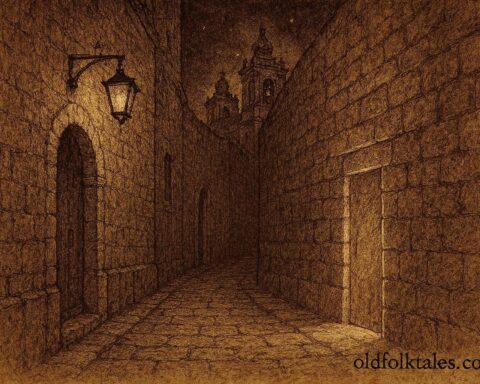
As the years passed, Rosette’s brothers longed to see her. Fearing the prophecy but driven by love, they secretly planned to free her. One moonlit night, they scaled the tower walls and surprised the guards. Finally, Princess Rosette tasted freedom as she stepped into fields blooming with wildflowers, the sun warming her golden hair.
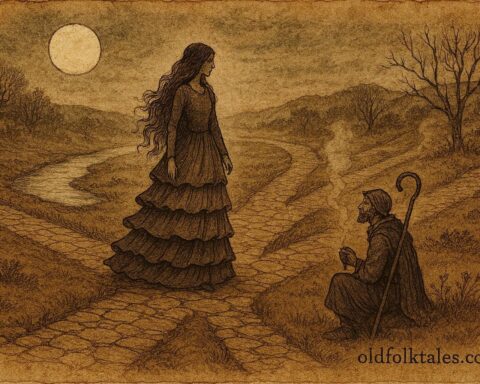
Even in freedom, the princess feared that revealing her identity might endanger her family. So she made a daring decision. She disguised herself in humble clothing, covering her golden hair and royal features, and traveled to a distant town.
Princess Rosette in Disguise: A Tale of Humility
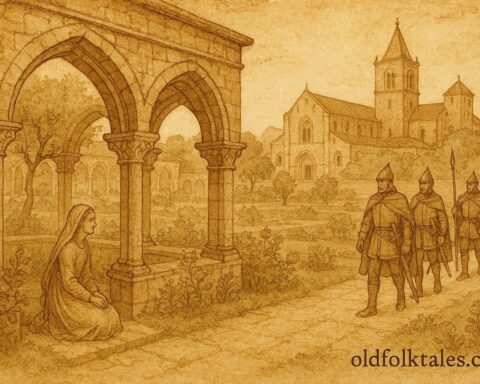
In her new life, Princess Rosette worked as a maid in a noble household. She cooked, cleaned, and served diligently, showing kindness and humility in every action. Though her employers did not recognize her, the princess’s noble spirit shone through.
Her days in humble service taught her resilience and compassion. She learned that true royalty lies not in crowns and riches, but in courage, wisdom, and the heart.
Discovery and Return to Royalty
Fate intervened when the noble family traveled to the capital for a grand celebration. Among the crowd, people noticed her refined movements and graceful presence. Whispers spread: could this humble maid truly be extraordinary?
The king, attending the celebration, immediately recognized Princess Rosette. Summoned before the court, she revealed her true identity. Her brothers embraced her with joy, realizing that the feared prophecy had not caused harm. Instead, it had guided the princess through trials that strengthened her character.
The king restored her to her rightful status, and the kingdom rejoiced. Princess Rosette became a symbol of wisdom, courage, and the triumph of virtue over adversity.
Moral Lesson
Courage, humility, and resilience shape destiny.
The French folktale of Princess Rosette teaches that challenges and prophecies do not define us. True character is revealed through trials, and patience, kindness, and cleverness can lead to rightful recognition and success.
Knowledge Check:
- Who is Princess Rosette in this French folktale?
Princess Rosette is the royal child predicted to bring misfortune to her brothers, who later disguises herself and triumphs through humility and courage. - Why do Rosette’s brothers free her from the tower?
They bravely defy fear of the prophecy to rescue their sister out of love and loyalty. - How does Princess Rosette disguise herself, and why is it important?
She wears humble clothing and hides her royal features to live safely and avoid the prophecy’s danger. - What lesson does the French folktale teach about true character?
Courage, humility, and kindness define real royalty, proving that character overcomes circumstance. - What cultural theme does Princess Rosette reflect in French folklore?
The tale reflects themes of prophecy, disguised royalty, and virtue tested through hardship, common in Madame d’Aulnoy’s stories. - How is the prophecy resolved in the story?
The prophecy’s misfortune is averted, as Princess Rosette’s wisdom and virtue restore harmony and her rightful status.
Source: Adapted from the French folktale Princess Rosette by Madame d’Aulnoy in Les Contes des Fées.
Cultural Origin: France (French folklore)