In the grand salons of Paris and the quiet cottages of rural France, stories were told to shape the minds of the young. In the late 17th century, under the careful hand of writers like Charles Perrault, folktales became not just entertainment but lessons: gentle admonitions dressed as adventure. The message was simple yet timeless, obedience protects, curiosity unchecked invites peril, and the consequences of choices shape a life.
Among these tales, children often encountered two forces in every story: the lure of the forbidden and the authority that warns against it. In the aristocratic homes of France, governesses recounted these stories beside roaring hearths; in village houses, mothers whispered them at dusk. Each story carried a rhythm: a warning, a temptation, an action, and a consequence, meant to teach moral responsibility as clearly as any law or catechism.
Journey into the charm of British wit and Irish wonder through centuries of folk tradition
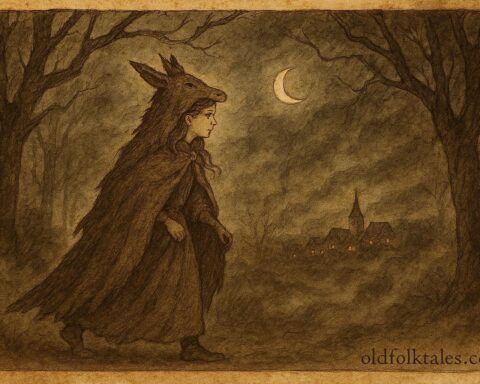
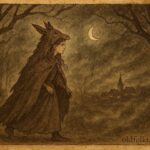
Consider the tale of Little Red Riding Hood, a girl of innocence and charm who travels through the forest to deliver food to her grandmother. Her mother warns her: “Do not stray from the path.” Yet curiosity and naivety prevail. She pauses to admire flowers, to listen to the birds, to respond to the wolf’s gentle words. Every distraction, however small, leads her further from safety. The wolf, sly and patient, deceives her, ultimately endangering her grandmother’s life. Only through caution, clever intervention, or external guidance does the danger resolve.
Here, the moral is clear: disobedience, even minor, can have grave consequences. The forest, beautiful and vibrant, is also a space of risk. Curiosity itself is not evil, but when it defies reason or ignores guidance, peril arises. The story is both literal and metaphorical, the woods become the unknown challenges of life, the wolf a symbol of cunning danger, and obedience a shield against harm.
Another tale, Bluebeard, strikes a darker chord. Here, curiosity itself is framed as a test of moral responsibility. A young bride, newly wed to a wealthy but mysterious man, is given keys to every room in his castle, but forbidden from entering one. Bluebeard’s warning is clear: disobedience brings death. Yet, human curiosity cannot be contained. The bride enters the forbidden chamber, discovering the gruesome secret of her husband’s murdered wives. Horror grips her as she realizes the weight of her choices. Only quick thinking, courage, and external aid save her.
Bluebeard’s story is a moral lesson layered with symbolism. Obedience, even to a flawed authority, is initially presented as protective. Curiosity, while natural, carries responsibility. The consequences, danger, fear, and risk, illustrate that moral understanding is as much about restraint as discovery. Children who hear these stories learn that obedience and caution safeguard life, while reckless curiosity invites peril. Yet, the stories do not vilify curiosity entirely; they teach that curiosity guided by prudence is safe, while that which ignores warning is destructive.
French folktales often balance these lessons with the rewards of virtue. In many stories, protagonists who heed warnings or act with moral wisdom are protected, aided by helpers, or achieve happiness. Obedience, when aligned with reason and ethics, opens doors, sometimes literally and figuratively, while disobedience, unchecked by prudence, closes them forever.
These stories frequently feature symbols children could understand. Forests represented the unknown; locked doors or forbidden rooms signified boundaries set by experience or authority; wolves, ogres, or malevolent household members embodied the consequences of defying guidance. Every setting, every object, was a visual cue. By framing danger within familiar imagery, storytellers like Perrault ensured that lessons were memorable, not merely abstract.
The consequences emphasized in these tales were never arbitrary. They were directly tied to choices, teaching that actions matter and moral discernment is essential. A child who ignored a warning did not fail by accident; they failed by decision. Similarly, the narrative always left room for redemption: clever thinking, courage, and sometimes assistance from moral allies allowed characters to survive the results of their curiosity. The stories struck a delicate balance, instilling caution without removing hope, teaching responsibility without despair.
Moreover, these folktales reflected the social and moral expectations of 17th-century France. Obedience was valued, not only within the family but within society. Children learned that disregarding guidance, especially from elders or moral authorities, could endanger themselves and others. Curiosity and questioning were natural but were to be tempered with discernment, prudence, and moral awareness. In this way, folktales served as both entertainment and social instruction, shaping young minds with memorable narratives.
These lessons extend beyond childhood. A simple story about a girl in the forest, or a woman with forbidden keys, speaks to universal truths: that every choice has consequences, that trust and caution safeguard the innocent, and that moral responsibility is a lifelong practice. Even today, the tales resonate because they intertwine adventure, suspense, and ethics, leaving audiences with both excitement and reflection.
The rhythm of the French moral folktale is therefore consistent: first, the warning; second, the temptation; third, the action; fourth, the consequence; and finally, the lesson. This structure is seen in Perrault’s work, from the simplicity of The Tale of Cinderella to the grim warnings of Bluebeard. It is a pedagogical device wrapped in narrative, each story a miniature moral universe where obedience, curiosity, and prudence play out with clarity.
Parents and tutors used these stories to shape virtue. Children learned through fear and reward that disobedience could invite danger, but that prudence and attention to guidance could secure safety and happiness. Even the youngest listeners absorbed the rhythm: heed the warning, consider the action, understand the consequences. Folktales thus functioned as early moral education, blending imagination with practical life lessons.
Beyond personal ethics, these stories also addressed societal order and trust. By dramatizing the dangers of reckless choices and the protective power of obedience, folktales reinforced social norms. Children were taught that rules, while sometimes restrictive, existed to protect them and the community. Authority figures were depicted as guides, and moral vigilance was depicted as essential to harmonious living.
Yet the French approach is never heavy-handed. Curiosity is not condemned outright, it is natural, even admirable. The narrative tension arises not from the curiosity itself, but from how it is exercised. A child who respects boundaries but explores wisely is celebrated; a child who ignores guidance faces peril. This nuance allowed folktales to communicate complex moral ideas in a way both accessible and compelling.
In the end, French moral folktales of the 17th century form a delicate tapestry of obedience, curiosity, and consequences. They are warnings wrapped in beauty, suspense, and imagination. Forests, wolves, locked doors, and mysterious figures symbolize the dangers of unchecked desire and the safeguards of prudence. Bells tolling, roads diverging, and forbidden chambers remind listeners that every choice carries weight, and that moral responsibility is as crucial as courage.
Through these stories, generations of children learned that life is a balance of exploration and restraint, of questioning and listening, of courage and caution. From aristocratic salons to rural hearths, the tales endured because they taught, entertained, and warned all at once. The forest paths of Little Red Riding Hood, the chambers of Bluebeard, and the houses of obedient protagonists remain as lessons etched into the cultural memory, guiding hearts and minds toward thoughtful, conscientious living.
Explore the wit and wisdom of Western Europe, where humor and virtue often go hand in hand
Moral Lesson
French moral folktales teach that obedience and prudence protect the innocent, while reckless curiosity can bring grave consequences. Choices matter, trust is vital, and moral responsibility must guide action.
Knowledge Check
-
Q: What do French moral folktales warn against?
A: Reckless curiosity and disobedience, especially among children. -
Q: How does Little Red Riding Hood illustrate these lessons?
A: The girl’s disobedience in the forest exposes her and her grandmother to danger. -
Q: What does Bluebeard teach about curiosity?
A: Curiosity without moral responsibility can uncover danger and invite serious consequences. -
Q: What themes are central to these folktales?
A: Consequences of choices, trust, caution, and moral responsibility. -
Q: Who compiled these tales in 1697?
A: Charles Perrault in Histoires ou contes du temps passé. -
Q: What is the cultural origin of these tales?
A: France, 17th-century moral storytelling tradition.
Source: Charles Perrault, Histoires ou contes du temps passé, 1697
Cultural Origin: France (17th-century moral storytelling)