In a kingdom where words were prized as proof of wisdom and bold speech was mistaken for strength, there lived a prince who chose silence. From the moment he could walk, the prince observed more than he spoke. While other children boasted, argued, and sought attention, he listened. When tutors questioned him, he answered briefly or not at all. As years passed, his quiet nature hardened into reputation. Courtiers whispered behind embroidered sleeves. Noblemen laughed softly at feasts. Even servants shook their heads and said, “The prince is kind, but simple.”
Only his father, the king, watched him with uncertainty rather than scorn. The king noticed the prince’s steady gaze, his patience, and the way he never reacted to insult. Yet even he wondered whether silence could ever rule a kingdom.
Discover the moral heart and wild spirit of the north through timeless Nordic storytelling
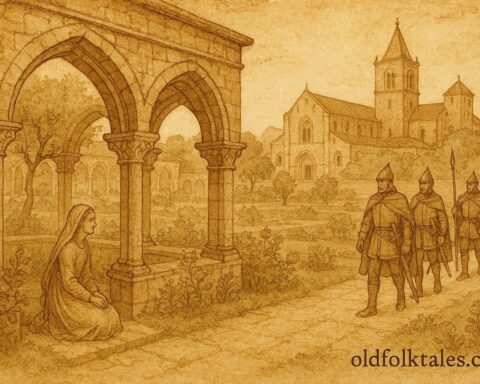
When the prince reached adulthood, the king urged him to prove himself. But instead of arguing or pleading, the prince asked only for permission to travel. Without ceremony, he left the castle dressed in plain clothes, carrying no insignia of rank, no sign of royal blood. He did not seek adventure for glory, nor did he flee shame. He wished to understand the world beyond judgment and learn what men were when titles were stripped away.
After many days of walking, he reached a modest countryside estate. The work was hard, the pay small, and the people wary of strangers. When asked his name, the prince answered only with a soft sound, Bajaja, and so that was what they called him. Because he spoke little and asked for nothing, he was given the lowest tasks: cleaning stables, chopping wood, tending animals.
Bajaja worked from dawn until nightfall without complaint.
Though he appeared meek, nothing escaped his attention. He learned how people behaved when no one was watching. He learned patience, restraint, and the quiet rhythm of honest labor. Yet even in this peaceful place, fear hung over the land like a shadow.
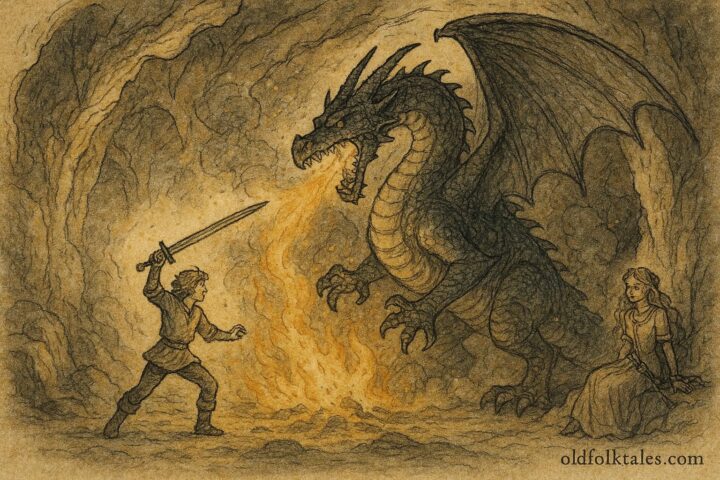
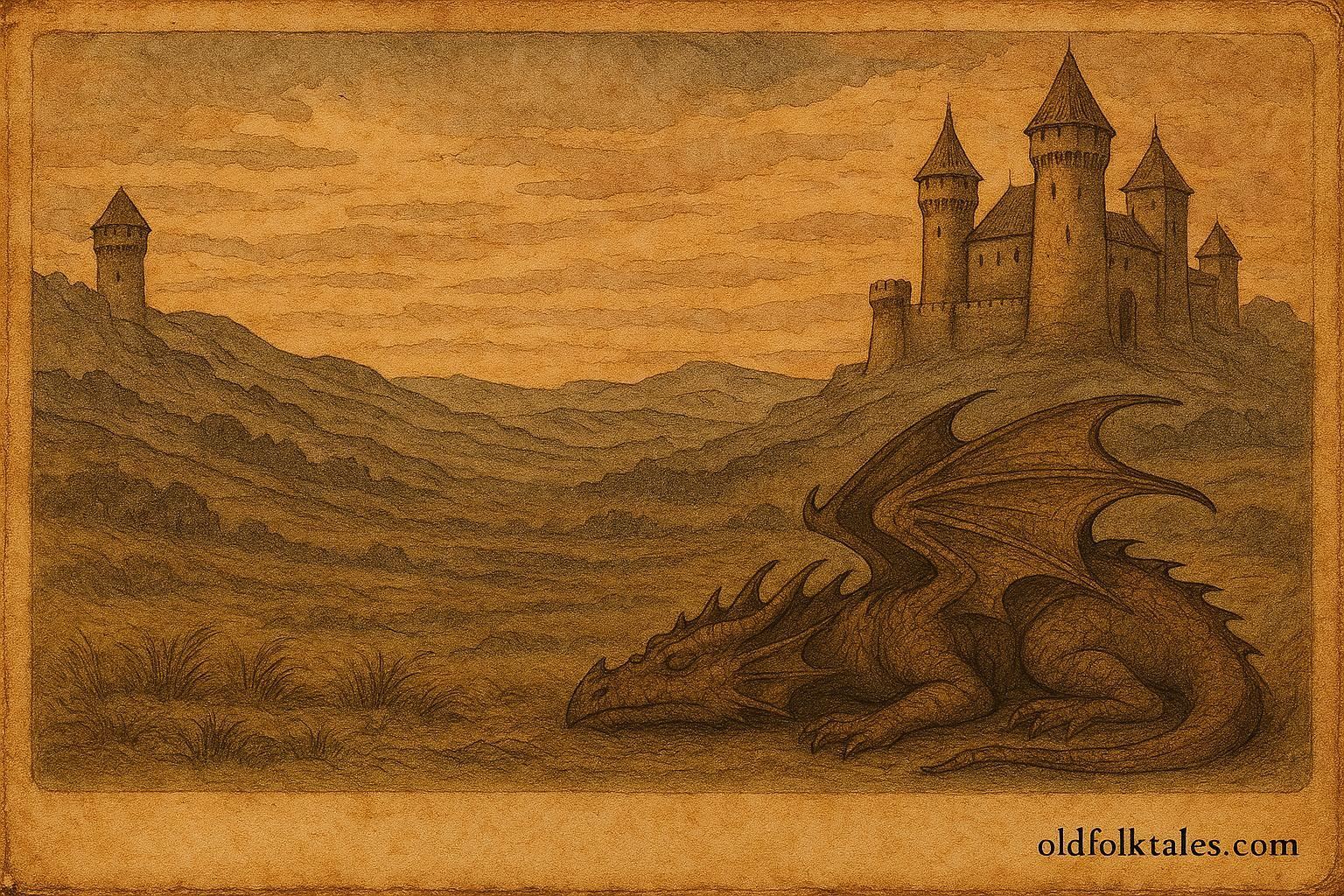
Not far away stood the royal castle of the region, and near it dwelled a monstrous dragon. At set intervals, the beast emerged, its scales blackened by fire, its wings vast enough to darken the sky. Its roar echoed through valleys, and its breath scorched fields to ash. Knights had ridden out against it one by one, armored in pride and bravado. None returned victorious.
The dragon demanded tribute, and the kingdom trembled.
At last, the king proclaimed that whoever could slay the dragon would be granted great honor and the hand of his daughter in marriage. Trumpets sounded, banners were raised, and hope stirred among the people, but it was thin hope, sharpened by dread.
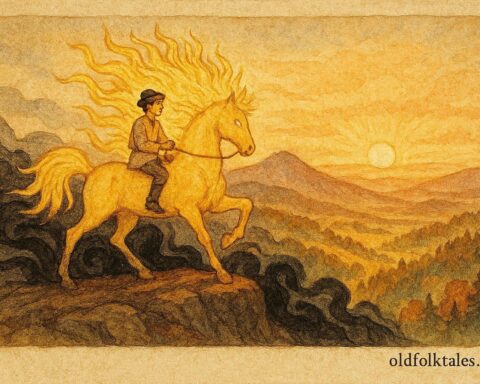
Bajaja heard the news while mucking stalls. He paused, leaned on his shovel, and listened as others argued about who might succeed. He said nothing. That night, while the household slept, he slipped away. From a hidden place, he retrieved a horse and armor, not ornate, but well-crafted and strong. He mounted silently and rode toward the dragon’s lair under cover of darkness.
When the dragon appeared, the earth shook beneath its weight. Flames poured from its jaws as it surveyed the land, confident that no human could challenge it. Bajaja did not rush forward. He waited. He watched how the creature moved, how it turned its head before striking, how it favored one wing over the other.
When he attacked, it was with precision, not rage.
The battle was long and brutal. Fire scorched the air. Steel rang against scale. The dragon thrashed and roared, but Bajaja did not falter. At last, with one decisive strike, the beast collapsed, its body shaking the ground as it fell lifeless.
Before dawn broke, Bajaja disappeared.
The kingdom awoke to astonishment. The dragon lay dead, yet no hero came forward. The king ordered celebrations, but confusion followed closely behind joy. Who had saved them? Where was the victor? Days passed, and though peace seemed restored, whispers spread.
Then, when the dragon appeared again, stronger, fiercer, as though death itself had returned, terror seized the land once more. Knights hesitated. Courage wavered.
And once again, a lone rider rode out in silence.
Again, Bajaja fought without witnesses. Again, the dragon fell. And again, he vanished before recognition could find him.
Suspicion grew. Some servants noticed that Bajaja was always absent when the dragon appeared. Others saw scratches on his hands and tears in his clothing that could not be explained by farm work alone. Yet when questioned, Bajaja only bowed his head and returned to his tasks.
At last, when the truth could no longer remain hidden, the king summoned all who might know something of the mysterious dragon slayer. Bajaja was brought before the court, still dressed as a servant. There, without speech or boast, he revealed proof of his deeds. The armor, the horse, the wounds, and the undeniable signs of battle told the story words never could.
Silence filled the hall.
The servant was no servant. The quiet laborer was no fool. He was a prince who had chosen humility over display, action over announcement, patience over pride.
The king honored him before all, and the princess, who had watched bravado fail again and again, recognized the depth of his courage and character. Bajaja accepted honor not with triumph, but with calm dignity, just as he had accepted hardship.
From that day forward, his silence was no longer mistaken for weakness. His name became a reminder that true worth reveals itself not through noise, but through steadfast deeds.
And so Prince Bajaja ruled not as the loudest voice in the hall, but as the strongest presence in the kingdom.
Experience legends where mountains breathe magic and heroes face moral choices that shape destiny
Moral Lesson
Prince Bajaja teaches that true strength often hides behind silence and humility. Recognition earned through patient courage and selfless deeds lasts longer than praise won through words alone. What matters most is not how loudly one speaks, but how faithfully one acts.
Knowledge Check
-
Who is Prince Bajaja in Slovak folklore?
A silent prince who disguises himself as a servant and defeats a dragon. -
Why is Prince Bajaja underestimated?
Because he rarely speaks, others mistake him for weak or simple. -
How does Bajaja defeat the dragon?
Through bravery, patience, and skill, without seeking recognition. -
Why does Bajaja hide his identity?
To act humbly and allow deeds, not status, to prove his worth. -
What rewards does Bajaja receive?
Honor, recognition, and the hand of the princess. -
What is the main theme of Prince Bajaja?
Inner strength and humility leading to true recognition.
Source: Božena Němcová, Slovenské pohádky a pověsti (1858)
Cultural Origin: Slovak folklore