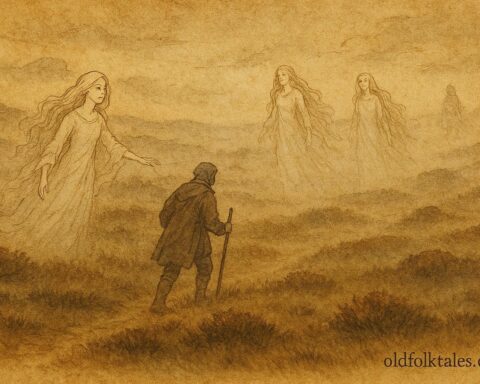
In the remote and windswept landscapes of Iceland, where jagged mountains meet steaming hot springs and vast lava fields stretch as far as the eye can see, stories have long been told of beings who live unseen among humans. These are the huldufólk, or “hidden people,” ethereal spirits said to dwell in rocks, hills, and cliffs. Travelers who respect their homes may find themselves aided in mysterious ways, while those who show arrogance or carelessness risk misfortune.
Long ago, a small band of travelers set out across Iceland. They were merchants and farmers, moving slowly through narrow valleys and over steep hills, carrying their wares and livestock. The wind howled around them, and the landscape seemed at once barren and alive, every stone and mound holding some secret.
Discover the spiritual depth and wisdom hidden in the ancient folklore of Eastern and Balkan Europe
As they walked, an elder among them told a story of the hidden people.
“These hills,” he said, pointing to a distant ridge, “are home to beings not seen by ordinary eyes. If you disturb their homes, misfortune will follow. But if you move with care, they may guide you or protect you.”
The younger travelers laughed politely. “Stories for children,” one said. “There are no such beings in rocks and hills.”
The elder shook his head. “Do not speak lightly. The hidden people have long memories, and the land remembers all who pass.”
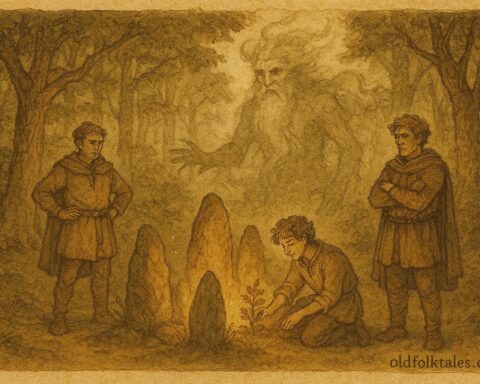
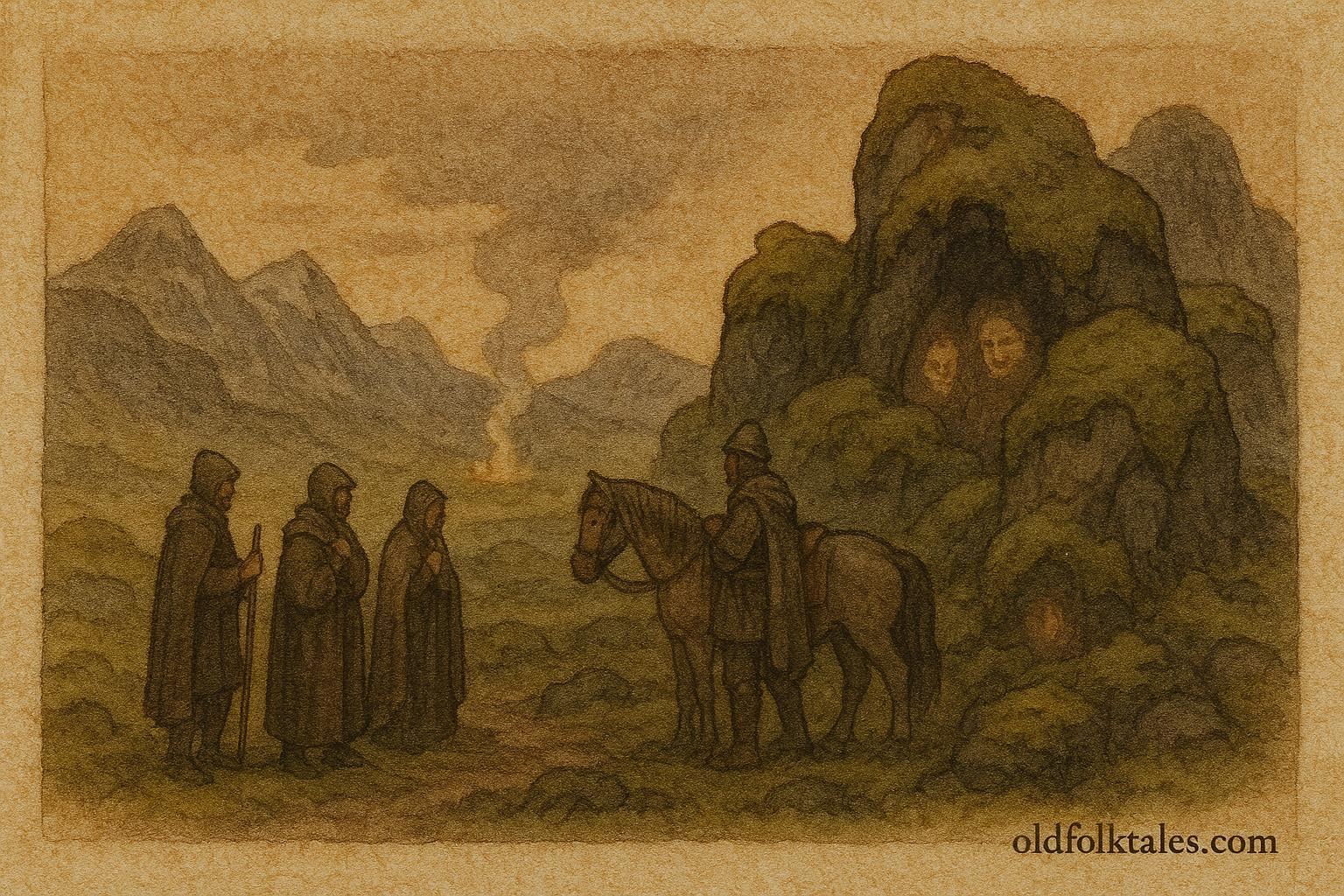
Later that day, the travelers came to a large, moss-covered hill. In the side of the hill, natural rock formations formed small alcoves, some barely large enough for a person to stand in. Curious and careless, some of the travelers poked sticks and stones into the crevices, laughing at their own audacity.
That night, as they made camp nearby, the wind shifted, carrying whispers through the darkness. Fires flickered in strange patterns, and the travelers’ tents shook as though unseen hands moved among them. Animals grew restless, and one of the merchants discovered that a small pack of his horses had wandered off.
The elder quietly observed. “The hidden people are displeased,” he murmured.
The travelers who had laughed at the stories now felt unease. Their pride had invited consequences. They spent the night anxious and sleepless, hearing the wind carry soft voices over the hills, voices that seemed to call their names.
The next morning, the elder led the group in careful ritual. They left small offerings of bread and milk at the base of the hill, spoke words of apology, and promised to respect the hidden people’s homes. Only after these gestures did the environment feel calmer, the wind softer, and the animals settled once more.
As the travelers continued their journey, they began noticing subtle signs of aid. A narrow mountain pass blocked by fallen rocks seemed cleared in their path as if hands unseen had moved them. Streams of fresh water appeared where none had flowed before, offering drink to their thirsty animals. Hidden paths revealed themselves between cliffs, and in these small but meaningful ways, the travelers realized that the stories were not mere fantasy.
From that day forward, the travelers treated every rock, hill, and hidden alcove with caution and reverence. They told others of their experiences, explaining that in Iceland, the land is alive not only with wind and fire but with beings whose patience is earned, not taken for granted.
The hidden people are not malicious by nature. They live quietly and remain unseen, preferring harmony over conflict. Yet their power is real, and those who ignore the sacredness of their homes learn quickly that arrogance brings consequences. Respect, humility, and care allow humans to coexist peacefully with the unseen world.
Thus, across Iceland, from the steaming valleys of Hveradalir to the black sands near Reynisfjara, stories persist of travelers aided or warned by beings who dwell in rocks and hills. Those who listen, observe, and show respect may discover their guidance; those who scoff or disturb their abodes may face unexpected trials.
In every hill and cliff, the hidden people wait, quietly observing, reminding humans that even in a land of fire, ice, and stone, unseen life persists alongside mortal endeavors.
Moral Lesson
This Icelandic folktale teaches that respect for nature and the unseen world brings harmony, while arrogance and carelessness invite misfortune. It emphasizes coexistence with forces beyond human perception and reminds us to move thoughtfully in the natural world.
Knowledge Check
1. Who are the hidden people in Icelandic folklore?
They are unseen beings, known as huldufólk, who live in rocks, hills, and cliffs.
2. How do the hidden people respond to humans?
They may help those who are respectful or punish those who disturb their homes.
3. What theme is central to this folktale?
The story highlights respect for nature, coexistence with unseen worlds, and the consequences of human arrogance.
4. What signs indicate the hidden people are displeased?
Whispering winds, restless animals, disturbed tents, or lost possessions signal their displeasure.
5. How did the travelers remedy their mistake?
They left offerings of bread and milk, apologized, and promised to respect the hidden people’s homes.
6. What is the cultural origin of this folktale?
It comes from Icelandic folklore, recorded by Jón Árnason in the 19th century.
Source: Recorded in Íslenzkar Þjóðsögur og Ævintýri by Jón Árnason, 1862–1864.
Cultural Origin: Iceland.