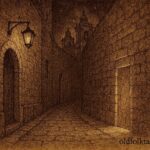
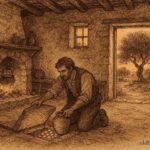
In a quiet village nestled between Malta’s sunbaked hills and shimmering coastline, life once flowed peacefully. Fields of golden wheat swayed in the gentle breeze, and the scent of wild thyme and rosemary lingered in the air. Yet, this tranquility was shattered when a terrifying creature appeared, a monstrous snake, not ordinary by any means, but one with seven glistening, sinuous heads, each sharper and more menacing than the last.
The villagers were stricken with fear. By day, the seven-headed snake slithered through their lands, crushing crops and terrifying livestock. By night, it haunted the streets, its many eyes gleaming with a terrifying intelligence. The elders whispered in hushed tones that no sword or spear could harm it, for every head it lost would grow back twice as fast, spreading even greater destruction.
Amid this chaos lived a young, clever boy named Ġorġ, known throughout the village for his sharp mind and fearless heart. While others hid behind locked doors and bolted gates, Ġorġ spent his days observing the snake’s movements from a safe distance, learning its habits, and devising a plan to end its reign of terror.
One morning, as the sun rose over the terraced fields, Ġorġ packed a small satchel with a loaf of bread, a flask of water, and a sturdy rope. He left a note for his family, assuring them that he would face the beast and restore peace. With cautious steps, he approached the cave where the snake was rumored to sleep, its mouth opening like a dark cavern, smoke curling from its nostrils.
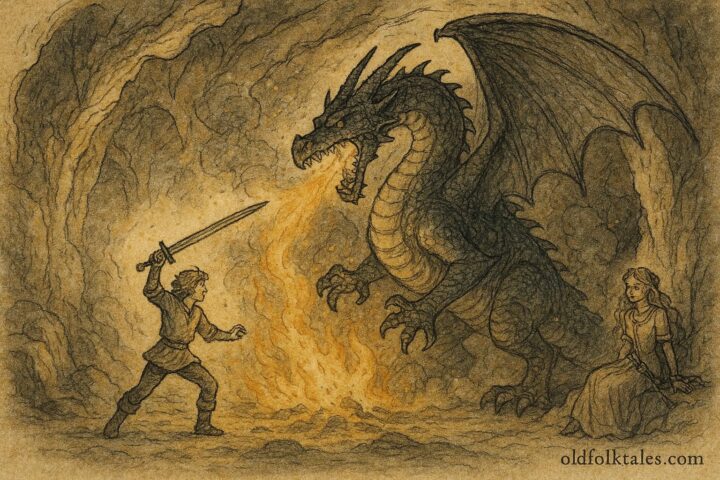
The first encounter was harrowing. The seven-headed snake emerged, each head hissing in unison, tongues flickering like flames. Ġorġ, heart pounding, remembered the advice of the village elder: “The monster is strong, but it is not clever. Outwit it, and it will fall.” Taking a deep breath, he tied a piece of meat to the rope and swung it around the entrance. Each head lunged, snapping and snapping again, but Ġorġ moved swiftly, avoiding their deadly fangs. The heads tangled in the rope, thrashing and hissing in confusion.
The young boy did not attack with brute force. Instead, he led the tangled snake through a series of clever maneuvers, guiding it toward a narrow ravine. The villagers watched in awe from a distance as Ġorġ’s strategy unfolded. Using the landscape to his advantage, he leapt from rock to rock, keeping just out of reach while the snake became increasingly frustrated and entangled. Finally, with a skillful tug of the rope, Ġorġ sent the monster plunging into the ravine below, its seven heads flailing before they sank into the shadows.
Silence followed the chaos, broken only by the wind whispering through the olive trees. The villagers, initially too stunned to move, erupted into cheers. Ġorġ had done what no warrior or elder could, he had defeated the seven-headed snake not by strength alone but by cunning and courage.
In the days that followed, the village returned to its peaceful rhythms. Children played near the olive groves, and the scent of freshly baked bread drifted through the streets. Yet, the story of Ġorġ and the seven-headed snake endured, told around fires on cool evenings, a reminder that intelligence and bravery often surpass sheer power.
Moral Lesson
The tale of the seven-headed snake teaches that courage combined with clever thinking can overcome even the most overwhelming challenges. It emphasizes that intelligence, patience, and strategy are often more powerful than brute strength alone.
Knowledge Check: Understanding “The Seven-Headed Snake”
- Who is the main protagonist in the story?
The clever young boy named Ġorġ is the protagonist who confronts the seven-headed snake.
- What is the primary threat to the village?
A monstrous snake with seven heads, capable of destroying crops and frightening the villagers.
- How does Ġorġ defeat the snake?
He uses clever strategies, a rope, and the landscape to entangle and trap the snake rather than attacking it with brute force.
- What does the seven-headed snake symbolize in Maltese folklore?
It represents overwhelming challenges or dangers that require wit and courage to overcome.
- What lesson does the story convey about courage and intelligence?
True bravery often involves thoughtful planning and cleverness, not just physical strength.
- What cultural context does this folktale reflect?
The story reflects Maltese oral traditions, highlighting themes of human ingenuity against monstrous or supernatural forces.
Cultural Origin: Malta (Maltese folklore)
Source: Adapted from Maltese folktales (2): The Seven-Headed Snake by Marlene Mifsud, L-Università ta’ Malta.