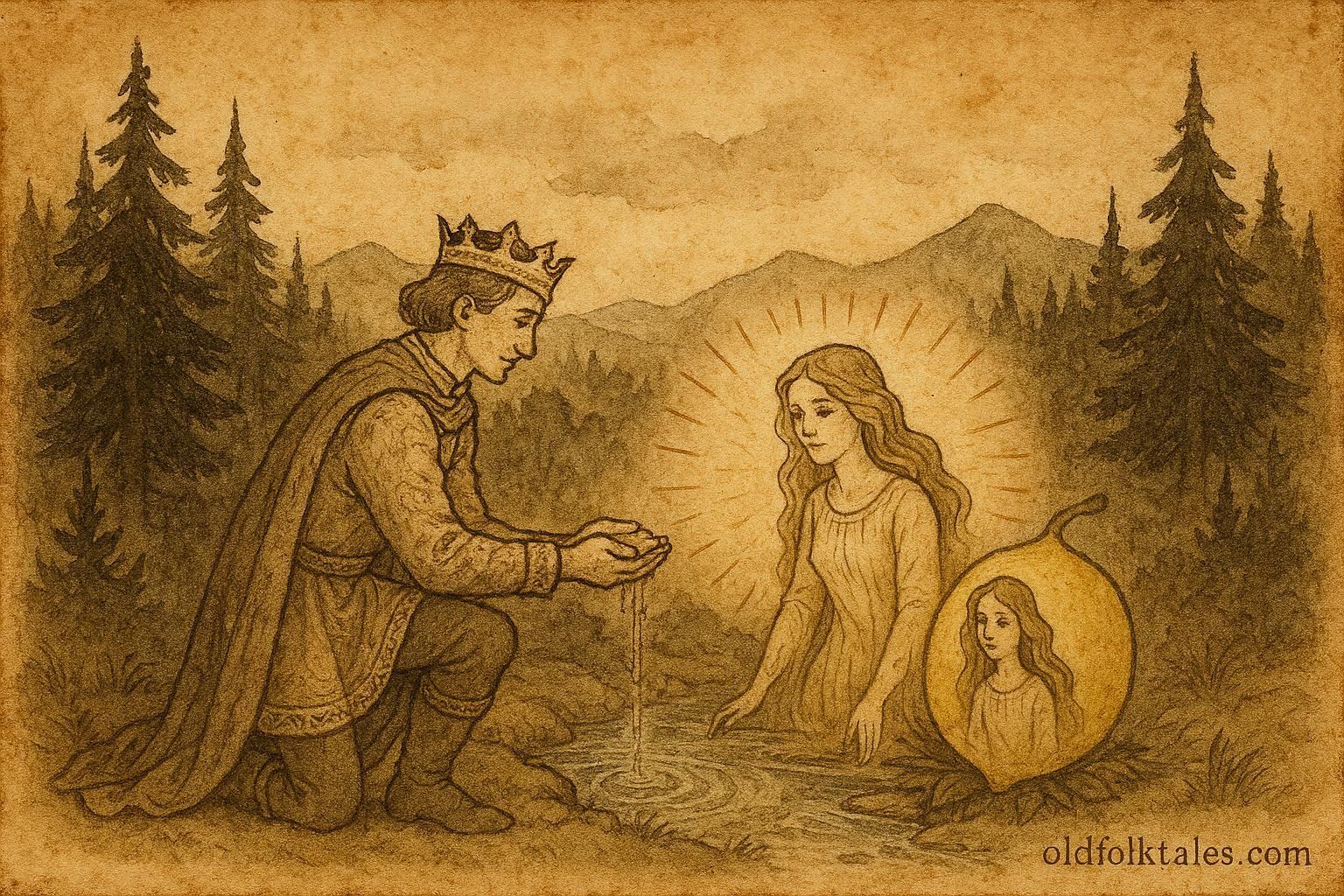
In a kingdom surrounded by deep forests and long, winding roads, there lived a young prince whose life was weighed down not by hardship, but by restlessness. He possessed wealth, strength, and learning, yet none of these brought him peace. Each day felt unfinished, as though something essential lay just beyond his reach.
The king, his father, noticed the prince’s growing unease and summoned him one morning.
Discover the timeless charm of French, Dutch, and Belgian stories filled with cleverness and heart
“My son,” he said, “you have studied, trained, and traveled our lands. Yet you remain unsettled. Tell me what troubles you.”
The prince hesitated, then spoke honestly. “Father, I feel as though my fate is incomplete. I seek a bride, not one chosen by rank or command, but one whom destiny itself reveals.”
The king, who respected sincerity, did not forbid him. Instead, he warned him gently: “If you seek what fate hides, you must walk with patience. The world does not reward haste.”
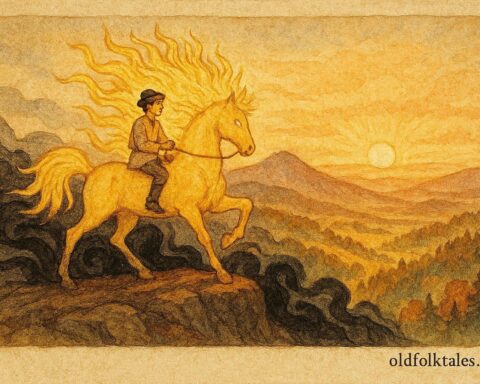
The prince bowed, confident yet careless, and set out alone.
After many days of wandering through forests and villages, the prince came upon an old woman seated beside the road. Her back was bent, her clothes worn thin, and her eyes sharp despite her age. Few travelers stopped for her, but the prince did.
“Good day, grandmother,” he said. “Do you know where a man might find what destiny has prepared for him?”
The old woman studied him carefully. “Destiny does not answer those who rush it,” she replied. “But since you asked with courtesy, I will tell you this: beyond the black mountain lies a garden that does not belong to men. There, you will find three lemons. Guard them well, and remember, life awakens only where patience lives.”
Before the prince could ask more, the woman vanished as if she had never been there.
The prince journeyed on, crossing barren land and steep stone paths until he reached the black mountain. On its far side lay a garden unlike any he had seen. Trees bore fruit of gold and green, flowers shimmered as though woven from light, and at the garden’s center hung three brilliant yellow lemons, glowing as if warmed from within.
Though hunger and thirst pressed upon him, he remembered the old woman’s warning. Carefully, he took the lemons and placed them in his pack. Then he began the long journey home.
Before long, exhaustion overtook him. The sun burned fiercely, and no water could be found. At last, unable to resist, he took out one lemon and cut it open.
At once, a maiden emerged, more radiant than the garden itself. Her eyes were clear, her hair dark as fertile soil.
“Water,” she whispered. “Only a drop, and I will live.”
The prince searched desperately, but there was none. Panic clouded his thoughts. He had acted too soon, and now he was helpless. Before he could find help, the maiden faded like mist at sunrise, leaving only the empty rind behind.
Shaken, the prince continued onward.
Days later, thirst again overtook him. Though sorrow weighed heavily on his heart, impatience returned. He opened the second lemon.
Again, a maiden appeared, gentle and bright, her voice trembling.
“Water,” she pleaded.
Once more, the prince failed her. No stream lay nearby, no well, no shelter. And once more, life slipped away because he had not waited.
This time, the prince wept. He understood now that strength and desire could not command fate.
Carrying his final lemon, the prince walked with care. When thirst struck again, he endured it. When doubt crept in, he pushed it aside. At last, near the edge of a village, he came upon a clear spring.
Only then did he open the third lemon.
A maiden stepped forth, alive with warmth and breath. Before she could speak, the prince offered her water. She drank, and color filled her cheeks. She smiled—not with gratitude alone, but with recognition, as though she had known him all along.
“You have learned,” she said softly. “That is why I live.”
The prince clothed the maiden and left her safely by the spring while he fetched a carriage. But fate tested him once more. While he was gone, a jealous servant woman passed by, saw the maiden, and envied her beauty. Through trickery, she displaced her and took her place.
When the prince returned, something felt wrong. The woman before him wore the right garments but lacked the gentle presence he remembered. Still, bound by duty and confusion, he brought her to the castle.
Yet truth cannot be buried forever.
Through small signs, a bird’s song, a whisper from the spring, a look of quiet sorrow, the prince discovered the deception. The true maiden was found, restored, and honored, while the false one was cast out.
The prince married the maiden of the third lemon, and their union brought harmony to the kingdom. Crops flourished, waters ran clear, and judgment was tempered with mercy.
The prince never forgot the cost of haste. He ruled with restraint, listening before acting, waiting before deciding.
And the people said that fate itself favors those who give it time to breathe.
Moral Lesson
True fulfillment comes not through desire alone, but through patience, restraint, and respect for life. What is rushed is often lost forever.
Knowledge Check
1. What do the three lemons symbolize in Slovak folklore?
They represent fate’s gifts, which require patience and wisdom to preserve.
2. Why do the first two maidens perish?
Because the prince opens the lemons without water, acting out of haste rather than care.
3. What lesson does the prince learn by the end of the story?
That patience and respect are essential to fulfilling one’s destiny.
4. Who guides the prince toward the lemons?
A mysterious old woman, a common folkloric figure symbolizing wisdom.
5. Why is water important in the story?
It represents life, preparation, and responsibility.
6. What cultural value does this folktale emphasize?
Self-control and humility as foundations of moral character.
Source: Pavol Dobšinský, Prostonárodné slovenské povesti (1880)
Cultural Origin: Slovakia (Slovak folklore)