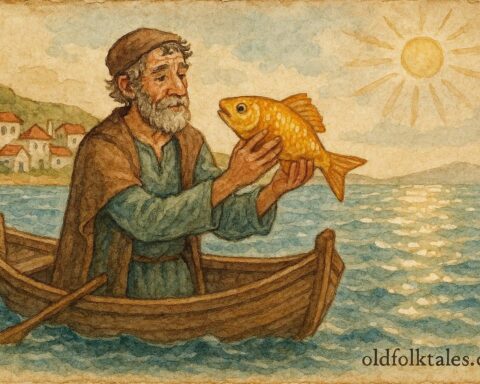
In the ancient city of Iolcus, nestled among rolling hills and glistening rivers, there lived a young prince named Jason. He was the rightful heir to the throne, yet the kingdom had fallen under the control of a ruthless usurper, Pelias, who seized power through deceit and treachery. The people whispered tales of the royal family’s misfortune, lamenting the loss of their true king and the fate of young Jason, who had been raised away from the court under watchful guardians.
Jason grew in strength, wisdom, and courage, aware of the injustice that shadowed his family. One day, Pelias, consumed by paranoia, learned of Jason’s survival and cleverness. Yet, rather than confront the boy directly, Pelias devised a cunning challenge. “Bring me the Golden Fleece from Colchis,” he demanded, “and I will yield the kingdom willingly.” He spoke with the venomous smile of a ruler confident in the impossibility of such a feat, believing Jason would perish in the attempt.
Jason, however, was not one to despair. With resolve burning in his heart, he gathered a group of Greece’s bravest men, each a hero in his own right: mighty warriors, clever strategists, and loyal friends, all known as the Argonauts, named for their great ship, the Argo. Together, they set forth on a journey that would carry them across storm-tossed seas, through enchanted lands, and into the realms of the divine.
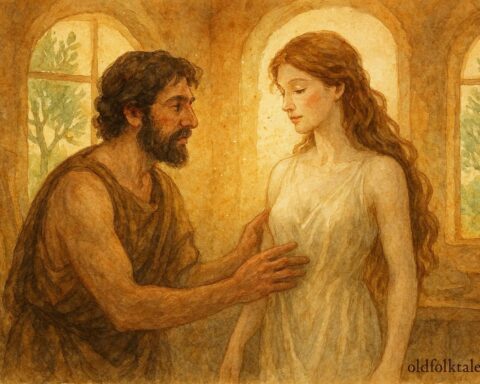
Yet no mortal could hope to survive such a journey without aid. At the city of Iolcus, Jason encountered Medea, a sorceress of extraordinary skill and knowledge, daughter of King Aeëtes of Colchis. She recognized in Jason a heart both brave and just, and, moved by a combination of love, foresight, and ambition, she pledged her wisdom and magical power to his cause. Through charms, spells, and cunning advice, Medea became the invisible hand guiding Jason through trials that would have undone lesser men.
Their voyage was perilous from the outset. The Argo sailed through seas ruled by storms conjured by angry deities, narrowly evading the wrath of Poseidon himself. When the crew faced the Sirens, whose enchanting songs promised doom, Jason listened only to the counsel of the Argonauts and Medea’s charms, blocking their ears with wax and guiding the ship with unwavering focus. In every encounter, whether it was the clashing rocks of the Symplegades, whose walls of stone crushed all but the most daring, or the deadly serpents guarding Colchis, the young prince relied not merely on strength but on courage, foresight, and the clever application of knowledge.
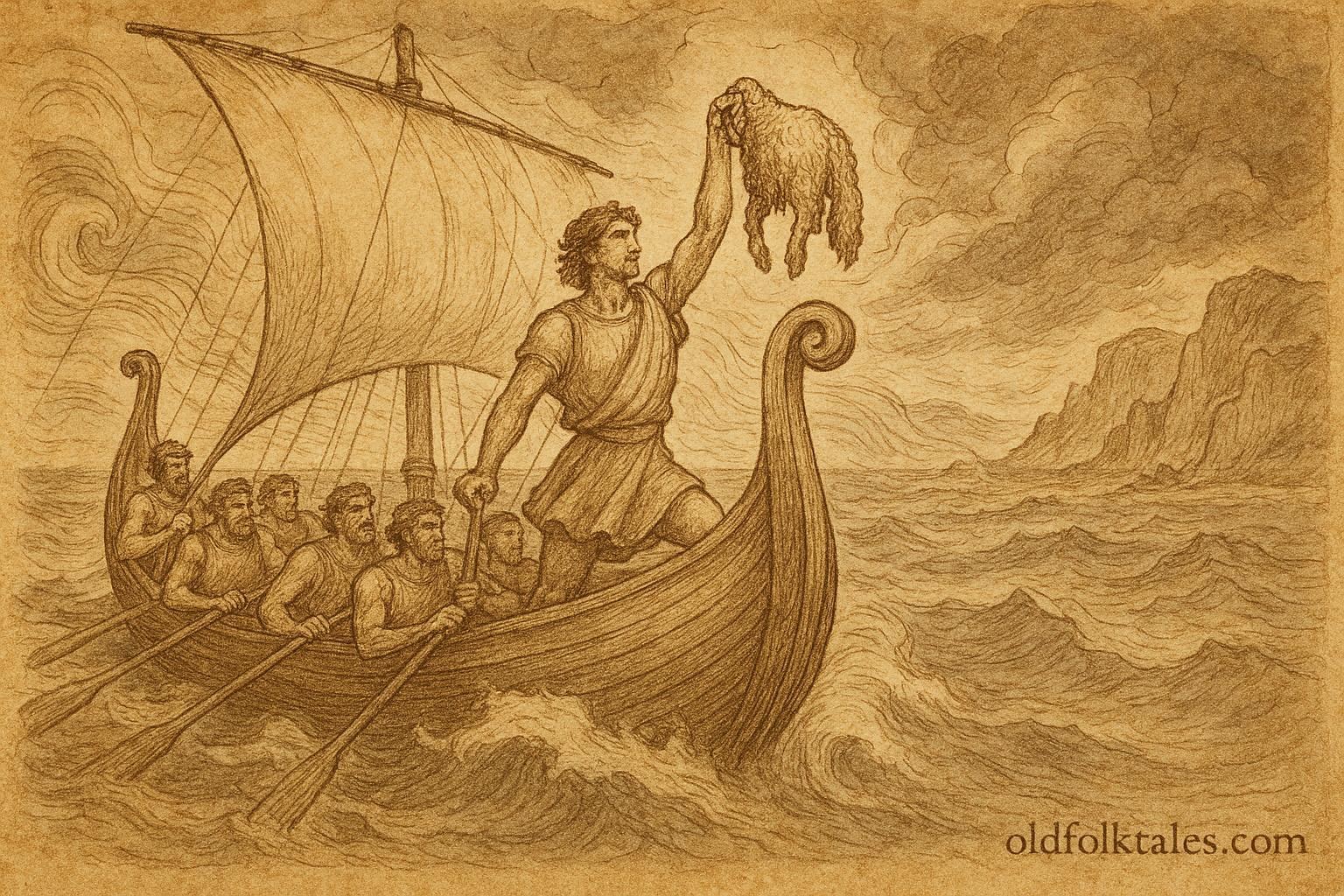
Finally, Jason reached Colchis, the land where the Golden Fleece, a symbol of kingship, wisdom, and divine favor, hung in a sacred grove, guarded by a fearsome dragon whose eyes glowed like molten gold. Many had tried to claim the fleece before and perished in the attempt, yet Jason approached with reverence, not recklessness. Here, Medea’s guidance proved indispensable. With her magic, she lulled the dragon into slumber and provided Jason with the knowledge of how to navigate the treacherous grove. At last, the young hero grasped the Golden Fleece, feeling the pulse of divine power within it, a reward for bravery, cunning, and unwavering determination.
The journey back to Iolcus was no less dangerous. Pursued by the wrath of Colchis’ king, navigating seas filled with whirlpools and storms, and confronting pirates and hostile lands, Jason and the Argonauts relied on unity, cleverness, and the blessings of the gods. Medea, ever watchful, guided them with magic and wisdom, ensuring the heroes’ survival against all odds.
Upon returning to Iolcus, Jason presented the Golden Fleece to Pelias. The usurper, bound by oath and terrified of divine retribution, reluctantly relinquished the throne, restoring Jason as the rightful king. Justice was served, yet Jason’s story carried lessons far beyond the mere reclaiming of a kingdom. He had demonstrated that courage without wisdom is incomplete, and that even the mightiest heroes must heed guidance, whether from allies, the divine, or their own reason.
The tale of Jason and the Golden Fleece endured through the ages, not merely as a story of heroism, but as a testament to the delicate interplay of fate and choice. Mortals may act with valor, yet their destinies are often entwined with forces beyond comprehension. By honoring loyalty, cleverness, and divine guidance, Jason exemplified the qualities necessary to fulfill a heroic destiny.
Moral Lesson
Jason’s quest teaches that true heroism combines bravery, intelligence, and respect for higher guidance. Achieving one’s destiny requires courage tempered with wisdom, loyalty to allies, and the humility to seek assistance when confronting challenges beyond mortal capacity. Justice, honor, and perseverance are rewarded when guided by virtue and careful strategy.
Knowledge Check
1. Who is Jason in this folktale?
He is the rightful heir to the throne of Iolcus and leader of the Argonauts.
2. What challenge did Pelias give Jason?
Jason was tasked with retrieving the Golden Fleece from Colchis, expecting him to fail.
3. How did Medea assist Jason?
She provided magical guidance, advice, and spells to navigate deadly obstacles and claim the Golden Fleece.
4. What are the key themes of the story?
Heroic courage, cleverness, divine guidance, justice, loyalty, and the fulfillment of destiny.
5. What is the symbolic significance of the Golden Fleece?
It represents kingship, divine favor, wisdom, and the rewards of perseverance and courage.
6. Where and when was this tale recorded?
Ancient Greece, recorded in Argonautica by Apollonius of Rhodes, c. 3rd century BCE.
Source: Adapted from Argonautica by Apollonius of Rhodes, c. 3rd century BCE
Cultural Origin: Ancient Greece (Iolcus and Colchis legend)