In the rolling hills and mist-covered valleys of County Clare, Ireland, there lived the O’Brien family in a grand but weathered stone house. The manor had stood for generations, its slate roof heavy with moss, ivy creeping along the walls, and windows that reflected the pale morning light like silver mirrors. The O’Briens were respected throughout the county for their lineage, hard work, and devotion to tradition. Yet even the proudest family could not escape the unseen, for the O’Briens carried with them a legacy whispered in fear, the presence of a banshee.
The first encounter came one stormy evening when the wind howled through the valleys, rattling shutters and sending chill through the hearth. Young Sean O’Brien, barely fifteen, was tending the fire while his mother, Maire, prepared a late supper. The atmosphere was heavy with a sense of foreboding, and the household dogs whimpered at the shadows cast by flickering candlelight.
Discover the timeless charm of French, Dutch, and Belgian stories filled with cleverness and heart
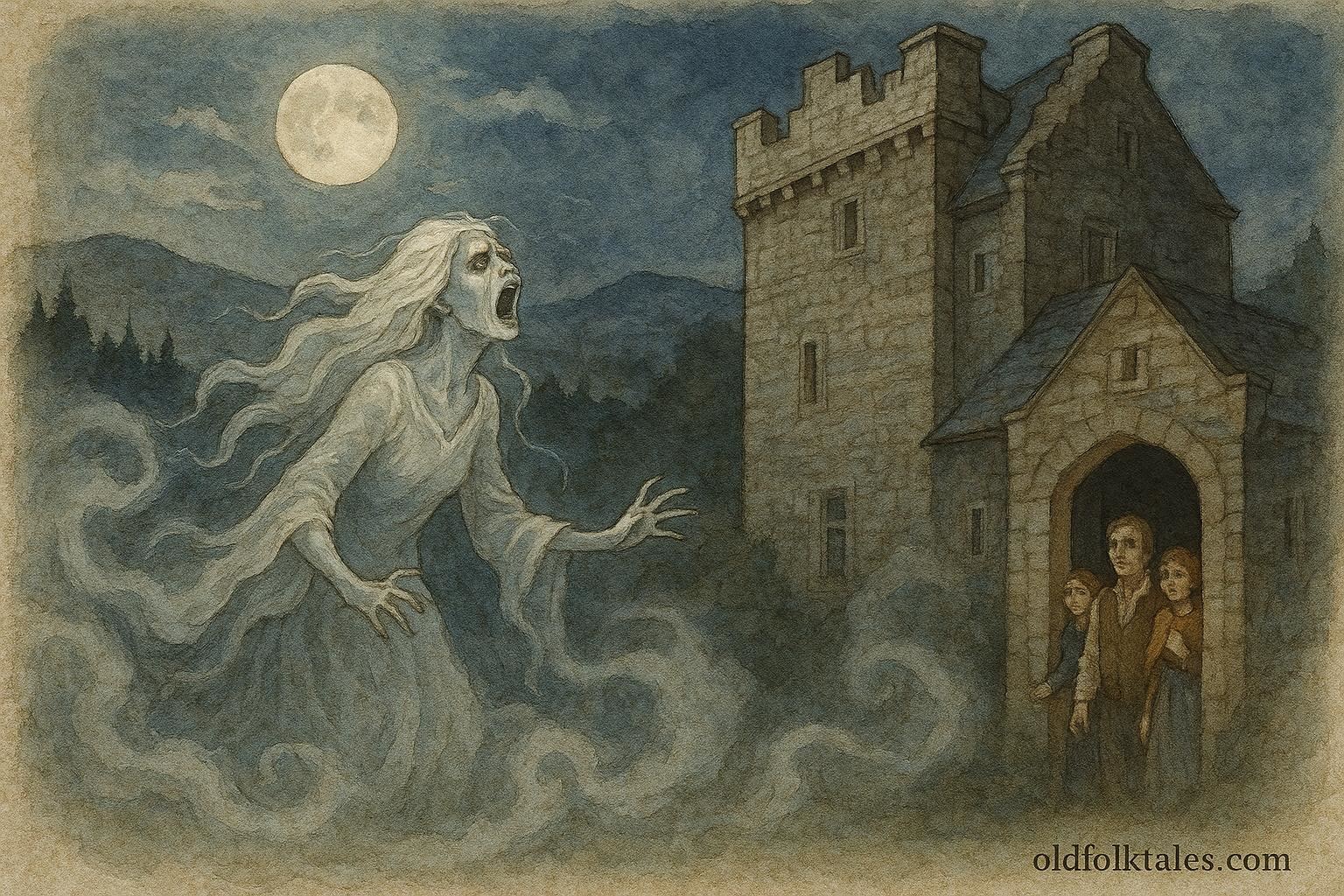
From the forest beyond the hills came a cry, a wailing so piercing and mournful that Sean dropped the spoon he held, his heart leaping into his throat. It was a sound unlike any bird, wolf, or human: high-pitched, drawn out, echoing through the glens as if carried by the wind itself. The sound froze the family in place, their ears straining to comprehend its meaning. Maire whispered, her voice trembling, “It is the banshee… she comes to herald death in the house of the O’Briens.”
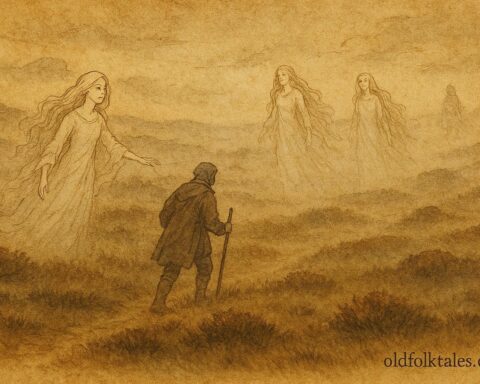
The O’Briens had long known of this spectral figure. Stories passed down from ancestors told of a woman, ethereal and pale, appearing at the threshold of the family estate before a member of the clan passed. Her hair was long and flowing, her eyes dark yet hollow, her garments trailing like fog across the earth. Though her presence was terrifying, it was also a sign of respect, a warning that fate would soon claim one of their own.
In the weeks that followed, the wailing continued at irregular intervals. Sometimes it came at dusk, curling among the hills like smoke; other times, it pierced the midnight silence when the household slept. The family tried to ignore it, yet the cry tugged at their minds and hearts. Even the bravest O’Briens could not escape its melancholy call.
Old Seamus, the family’s retainer and keeper of lore, counseled caution. “We do not chase spirits, nor do we shout at them,” he said. “The banshee is neither cruel nor unkind. She is a messenger of fate, and to disrespect her is to invite sorrow upon ourselves.” The family listened, but fear is a persistent shadow, and even those most faithful to tradition found themselves uneasy.
One night, Maire awoke to a gentle knock at the window. The wind had shifted, carrying a faint cry from the forest, and with it, a pale figure appeared on the threshold. Sean, wakened by the same sound, crept toward his mother, eyes wide with terror. The figure’s long hair shimmered like silver in the moonlight, and her dress seemed woven from mist. She did not speak but raised her hand, pointing toward the great hall where Sean’s grandfather lay in slumber.
The family knew instantly that a warning had come. Though they were terrified, they acted with care and reverence. They lit candles, kept vigil, and watched over their elder, offering prayers to God and the saints. The banshee’s wails continued into the night, a haunting refrain of inevitability, and by dawn, the household had been gripped by a mixture of fear and solemn duty.
The O’Briens realized that the banshee’s visit was not merely a ghost story to frighten children, it was a guide, a messenger of mortality reminding them to respect life and the cycles that governed it. In the days that followed, Sean observed carefully, noticing the subtle changes in the banshee’s cries. Each note seemed tied to the rhythm of life and death within the household, an intricate song echoing across the hills. He began to understand that this spirit, feared yet sacred, was a reflection of the unseen forces that shaped their lives.
Time passed, and the O’Briens learned to live with the banshee’s presence. They offered her silent acknowledgment: a lit candle on the windowsill, a whispered prayer, a bowl of water left at the door. The family found that by showing respect and humility, the wailing, though still piercing, brought less fear and more reflection. It was a reminder of mortality, of family bonds, and of the duty to live rightly while life persisted.
One evening, as the sun sank behind the distant hills and painted the clouds in hues of amber and rose, Sean ventured into the forest. He felt a call, subtle yet insistent, and followed it through narrow paths, moss-covered stones, and twisted oaks. There, on a clearing bathed in moonlight, he saw her: the banshee, pale and silent, her eyes both sorrowful and knowing. Sean bowed deeply, offering respect without fear. The banshee gazed at him for what seemed like hours, her presence both terrifying and comforting, before she vanished like morning mist, leaving only the echo of her mournful song.
Sean returned to the manor with a profound understanding. Life and death were intertwined, he realized, and the O’Briens were part of a continuum that reached far beyond the stone walls of their home. The banshee was not an enemy but a guardian of memory, a witness to the passage of generations, a reminder that no family, however proud, could escape the cycles of time.
Over the years, the O’Brien family encountered the banshee on many occasions. Each visit was a chance to reflect, to honor ancestors, and to prepare for the inevitable. Though sorrow accompanied her wails, it was tempered by reverence, and the family found strength in tradition, faith, and unity. Stories of the banshee spread across the hills and valleys of Ireland, carried by travelers, bards, and children, teaching generations about respect, mortality, and the unseen forces that shape life.
Even young Sean, once frightened by her cries, grew to revere the spirit as a teacher of wisdom. He recounted the banshee’s visits to his own children, emphasizing humility, courage, and the importance of honoring those who came before. And so the legacy endured: the O’Briens lived with the banshee not as enemies but as stewards of life, aware of the fragility of existence and the sacredness of family ties.
The tale of the Banshee of the O’Briens reminds all who hear it that death is inevitable, but respect, courage, and adherence to tradition can ease the journey. It teaches that the unseen world, though mysterious and often feared, offers guidance for the living, and that honoring those signals, whether in whispers or wails, can strengthen the bonds of kinship and faith.
Journey into the charm of British wit and Irish wonder through centuries of folk tradition
Moral Lesson
The Banshee of the O’Briens teaches that mortality is inevitable, and that wisdom, respect for tradition, and reverence for the unseen can guide families through life’s challenges. Fear tempered by understanding fosters courage, unity, and preparation for what lies ahead.
Knowledge Check
- Who does the banshee visit in the story?
- The O’Brien family, to forewarn them of impending death in the household.
- What does the banshee symbolize in Irish folklore?
- Mortality, the inevitability of fate, and respect for the unseen.
- How does the O’Brien family respond to the banshee?
- With reverence, offering prayers, candles, and careful vigilance.
- What themes are central to this Irish folktale?
- Mortality, tradition, respect for the unseen, and family duty.
- What lesson does Sean O’Brien learn from the banshee?
- That death is part of life, and respect, courage, and humility guide the living.
- What cultural elements are highlighted in the tale?
- Irish rural life, ancestral traditions, supernatural folklore, and the role of spirits in guiding families.
Source: John O’Hanlon, Irish Folk Lore, 1870, Ireland.
Cultural Origin: Irish