Towering above the sparkling waters of Lake Lucerne rises the dramatic mountain known as Mount Pilatus. Its jagged peaks and deep ravines dominate the landscape near the city of Lucerne, casting long shadows across the valleys below.
For centuries, local residents believed that the mountain was more than a natural landmark. They believed it was the home of dragons.
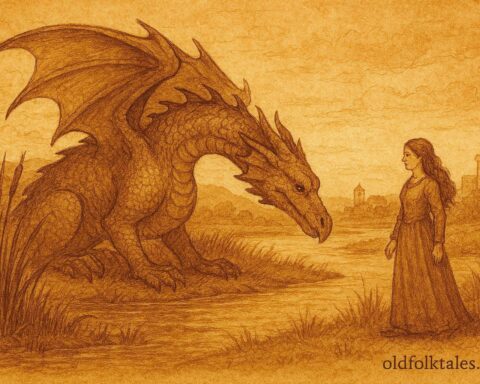
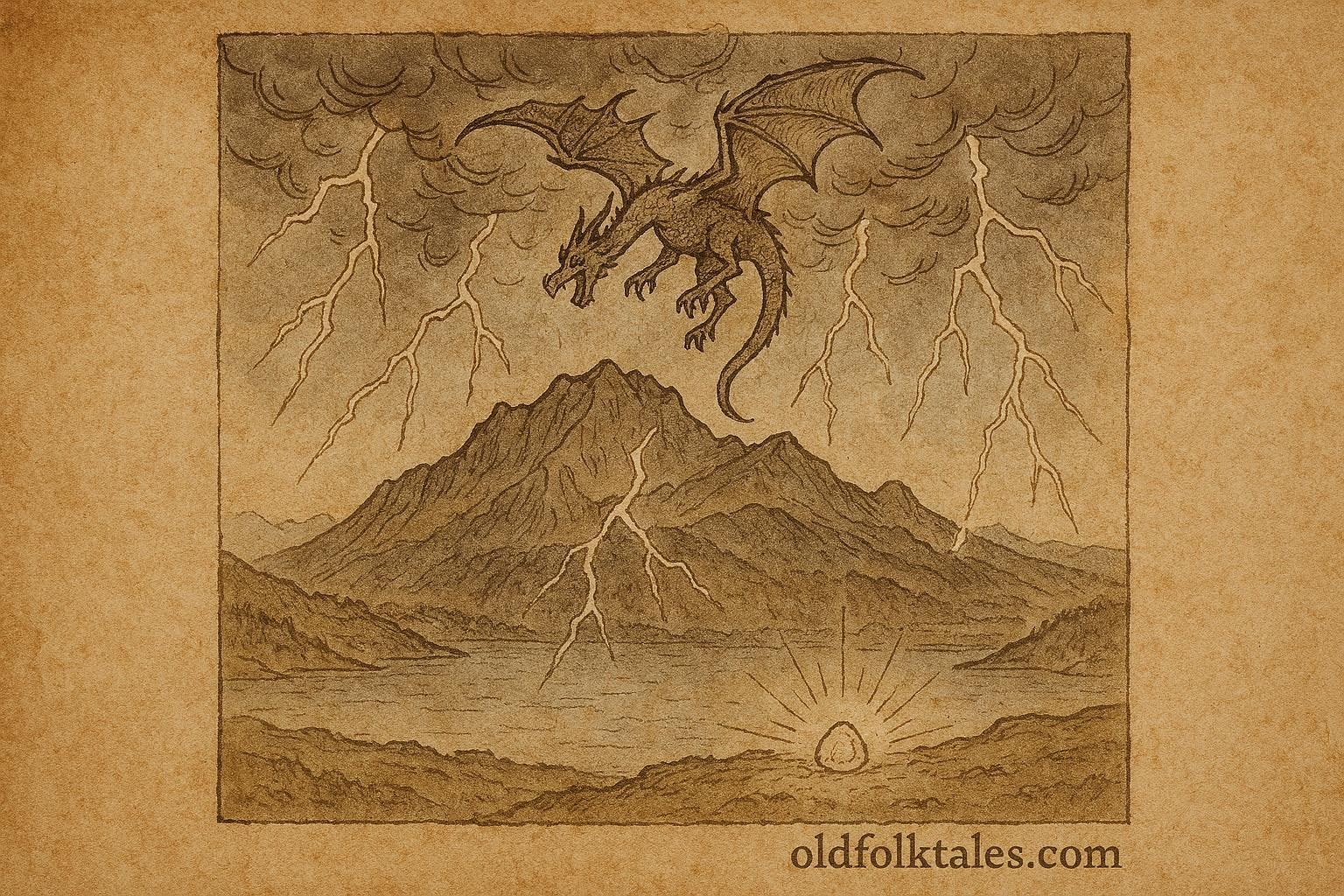
According to ancient legends passed down through generations, mysterious creatures lived in the caves and hidden crevices of Mount Pilatus. These dragons were said to appear during violent storms, soaring through dark clouds and lightning before disappearing back into the mountain’s depths.
Among these stories, one of the most famous tells of a dragon that fell from the sky during a terrible storm and left behind a stone with miraculous healing powers.
A Mountain of Fear and Mystery
Mount Pilatus has long inspired awe among those who live nearby.
Its steep cliffs rise sharply from the surrounding valleys, and clouds often gather around its summit, giving the mountain an eerie and unpredictable appearance.
In earlier centuries, many people believed the mountain was cursed.
Travelers avoided climbing it, fearing that disturbing the slopes might anger the creatures said to live inside the rock.
Local authorities even discouraged people from exploring the mountain, convinced that strange and dangerous forces might be awakened.
Stories of dragons helped explain the powerful storms that often rolled down from the peaks, bringing thunder, lightning, and sudden winds across the lake and villages below.
The Storm of 1421
One of the most famous dragon legends dates back to the early 15th century.
During a violent storm, dark clouds gathered above Mount Pilatus as thunder echoed through the valleys.
Rain poured down, lightning flashed across the sky, and fierce winds shook the forests surrounding the mountain.
As the storm reached its peak, witnesses claimed they saw a terrifying shape moving within the clouds.
Suddenly, something large and dark fell from the sky and crashed into the ground near the mountain slopes.
When the storm finally passed, a farmer traveling through the area discovered something unusual among the wet stones.
It was a strange, smooth rock that glowed faintly in the sunlight.
The Dragon Stone
The mysterious object quickly became known as the “dragon stone.”
According to legend, it had fallen from the body of the dragon during the storm.
The stone was believed to possess extraordinary powers.
People claimed it could heal illnesses, cure poison, and protect those who carried it.
Stories spread throughout the region about individuals who recovered from serious ailments after touching the stone.
Though the true origin of the object remained uncertain, the legend strengthened the belief that dragons truly lived within the mountain.
Dragons of the Pilatus Caves
Many tales describe the dragons of Mount Pilatus as both terrifying and mysterious.
Some stories portray them as powerful guardians of the mountain, creatures deeply connected to the storms that swept across the region.
Others describe them as wise and ancient beings who rarely interfered with human affairs.
Occasionally, villagers claimed to glimpse strange shapes gliding through the mist around the peaks.
These sightings usually occurred during dramatic weather, when thunderclouds gathered around the mountain’s summit.
Whether real or imagined, such stories kept the legend alive for centuries.
The Forbidden Mountain
Because of these fears, Mount Pilatus was considered dangerous for a long time.
Authorities in Lucerne even forbade people from climbing the mountain, believing that disturbing the dragons might unleash terrible storms upon the region.
This ban lasted for many years.
Eventually, however, curiosity overcame fear.
When explorers finally climbed the mountain and found no dragons, the restrictions were lifted.
Yet even as science replaced superstition, the legends remained an important part of local culture.
The Chronicle of the Dragon
One of the earliest written records of the Mount Pilatus dragon legend appears in the chronicles of Renward Cysat.
In 1591, he collected stories and reports from the people of the Lucerne region, documenting the mysterious dragon sightings and the tale of the healing stone.
These accounts helped preserve the legend for future generations.
Today, the story remains one of the most famous pieces of Swiss folklore.
The Legacy of the Storm Dragon
Modern visitors climb Mount Pilatus for its spectacular views of Lake Lucerne and the surrounding Alps.
Cable cars and hiking trails now bring thousands of travelers to the summit each year.
Yet the ancient stories have not disappeared.
Guides and storytellers still recount the tale of the storm dragon who fell from the sky and left behind a magical stone.
The legend reminds us that mountains once inspired deep wonder and fear.
Even today, when dark clouds gather around the peaks and thunder echoes across the lake, it is easy to imagine that something ancient might still be watching from the shadows of Mount Pilatus.
Moral Lesson
The legend of the Dragon of Mount Pilatus reflects humanity’s deep respect for the power of nature. Mountains, storms, and unexplained events often inspired stories that taught caution and reverence toward the natural world. The tale reminds us that mystery and wonder are essential parts of cultural heritage.
Knowledge Check
1. Where is Mount Pilatus located?
Near Lucerne above Lake Lucerne.
2. What creatures were believed to live inside the mountain?
Dragons that appeared during storms.
3. What unusual object was said to fall from the sky during a storm?
A mysterious “dragon stone” believed to have healing powers.
4. Why did people avoid climbing Mount Pilatus in earlier centuries?
They feared disturbing the dragons and causing dangerous storms.
5. Who recorded early accounts of the Mount Pilatus dragon legend?
Renward Cysat.
6. What themes does the legend explore?
Respect for nature, mysterious healing powers, and the connection between storms and mythology.
Source: Chronicles of Renward Cysat (1591)
Cultural Origin: Lucerne region, Central Switzerland