In the history of Portugal, few figures have inspired as much mystery, sorrow, and hope as Sebastian of Portugal, the young monarch whose disappearance gave birth to one of the most enduring legends in European folklore.
The story begins in the sixteenth century, during a time when Portugal was one of the most powerful maritime nations in the world. Portuguese ships traveled across distant oceans, establishing trade routes and colonies from Africa to Asia and beyond. The nation’s sailors and explorers had transformed the small kingdom into a global power.
Step into the enchanted forests and mystical realms of the Slavic imagination
Yet despite these triumphs at sea, uncertainty and tension surrounded the young king who ruled the country.
Sebastian had ascended to the throne at a very young age after the death of his grandfather, John III of Portugal. Raised amid the expectations of royal duty and religious devotion, Sebastian grew into a passionate and determined ruler. He believed strongly in the ideals of chivalry, faith, and glory.
As he matured, the king became increasingly determined to lead Portugal into a grand military campaign.
Sebastian dreamed of defending Christianity and expanding Portuguese influence in North Africa. His advisors and nobles warned him that such an expedition would be dangerous and uncertain, but the young king’s determination was unwavering.
In 1578, Sebastian gathered an army and sailed south across the sea toward Morocco. Thousands of soldiers accompanied him, along with nobles, knights, and commanders eager to win honor and glory.
Their destination was the battlefield of Battle of Alcácer Quibir, a confrontation that would forever change the fate of Portugal.
The battle proved disastrous.
The Portuguese forces faced a powerful Moroccan army and quickly found themselves overwhelmed. Amid the chaos of the fighting, many soldiers were killed or captured, and the Portuguese army collapsed.
When the battle ended, the young king had vanished.
No body was ever definitively identified.
Some witnesses claimed to have seen Sebastian fighting bravely until the final moments of the battle. Others believed he had escaped the battlefield and fled into the wilderness.
But without proof of his death, uncertainty spread across Portugal.
The country mourned the loss of its king, yet many people refused to believe he had truly died.
From this uncertainty grew one of Portugal’s most powerful legends.
According to the story, King Sebastian had not perished at all.
Instead, he had been taken away to a hidden place where he slept, waiting for the day he would return to his kingdom.
People began to say that the young king rested somewhere beyond the reach of ordinary men, perhaps on a distant island, within a secret mountain, or in a mysterious palace concealed by mist.
Wherever he lay, the legend insisted that he was not dead.
He was merely waiting.
Over time, the belief in Sebastian’s eventual return became deeply rooted in Portuguese culture. This belief came to be known as Sebastianism, a hope that the king would one day return to rescue the nation in its darkest hour.
The legend grew especially powerful during the years that followed the battle.
Without a clear heir to the throne, Portugal soon faced political turmoil. Eventually, the kingdom fell under the rule of Spain for several decades, a period known as the Iberian Union.
For many Portuguese people, this loss of independence strengthened their belief that Sebastian would someday come back.
They imagined him returning as a heroic king who would restore Portugal’s freedom and glory.
Stories began to circulate across the country describing how his return would happen.
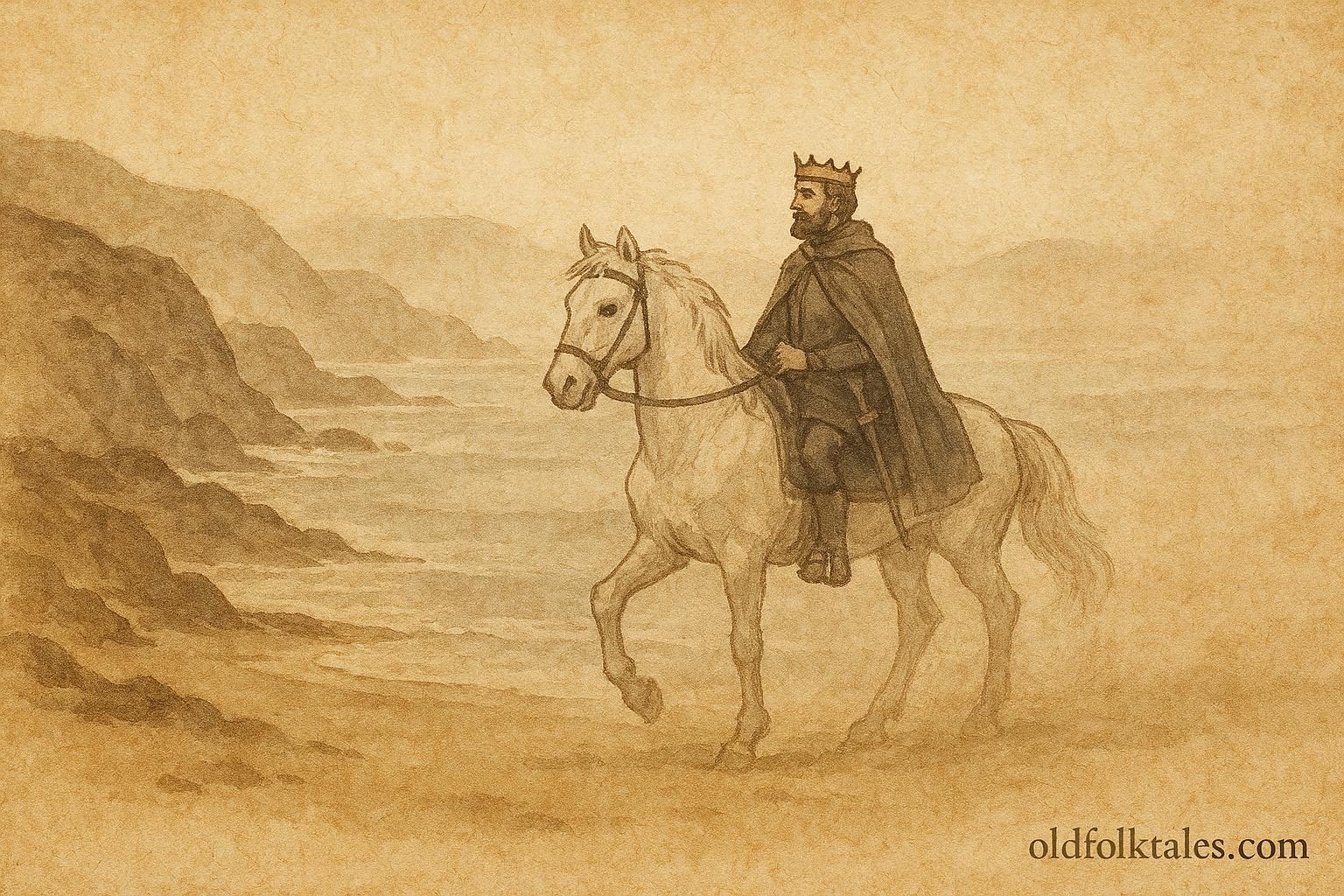
Many believed that Sebastian would appear on a misty morning.
According to the legend, when thick fog rolled in from the sea, the king would ride through it on a white horse, emerging from the mist to reclaim his throne.
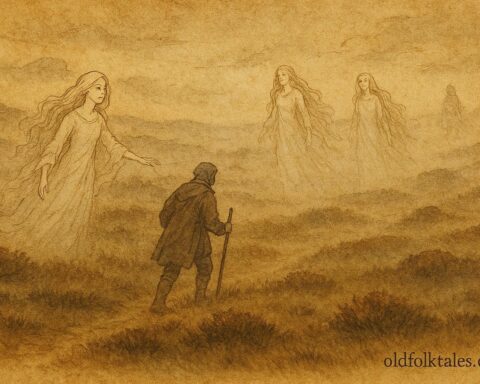
Fishermen along Portugal’s coast sometimes claimed to glimpse mysterious figures in the fog at dawn. Travelers crossing quiet fields in the early morning sometimes thought they saw a lone rider moving through the haze.
Whenever such stories spread, people whispered the same hopeful question:
Could the king be returning?
In villages and cities alike, the legend gave people comfort during times of hardship. When wars, famine, or political troubles struck the nation, some believed these difficulties were signs that the moment of Sebastian’s return was drawing near.
Parents told the story to their children. Sailors spoke of it during long journeys across the sea. Poets and storytellers preserved the legend in songs and writings.
The belief that the lost king would someday come back became a symbol of national identity and hope.
Over the years, several men even appeared claiming to be the long-lost king.
These impostors attempted to convince the people that they were Sebastian returned from exile. But each claim eventually proved false, and the true fate of the king remained a mystery.
Yet the legend did not disappear.
Instead, it continued to grow.
The story of the sleeping king came to represent more than the fate of a single ruler. It symbolized the idea that a nation’s spirit could endure through hardship and uncertainty.
Even centuries after the battle, the legend of Sebastian still echoes across Portugal.
On foggy mornings along the coast, when the mist drifts across the hills and valleys, some people say it feels as though the past is stirring again.
The quiet landscape seems to hold its breath, as if waiting.
Waiting for the return of the king who never truly died.
And though history records the tragic battle that ended his reign, the legend continues to live on in the hearts of those who believe that one day, when Portugal faces its greatest challenge, the sleeping king will rise and return through the morning fog.
Explore the warmth and wit of Mediterranean storytelling, where love and wisdom intertwine
Moral Lesson
The legend of King Sebastian reminds us that hope can survive even in times of loss and uncertainty. Through hardship, people often hold onto stories that express their faith in renewal and the belief that better days will come.
Knowledge Check
1. Who was the Sleeping King Sebastian?
He refers to Sebastian of Portugal, a young monarch who disappeared during battle in 1578.
2. In which battle did King Sebastian vanish?
He disappeared during the Battle of Alcácer Quibir.
3. What belief developed after the king disappeared?
Many Portuguese believed the king did not die but sleeps in a hidden place, waiting to return.
4. What is Sebastianism?
Sebastianism is the belief that King Sebastian will return to restore Portugal in its time of greatest need.
5. How is the king said to return in the legend?
He is believed to ride through the morning fog on a white horse to reclaim his kingdom.
6. What does the legend symbolize in Portuguese culture?
It represents hope, national identity, and the belief in renewal during difficult times.
Source: Folklore inspired by the life of Sebastian of Portugal. Late 16th century tradition following the Battle of Alcácer Quibir.
Cultural Origin: Portugal (nationwide legend)