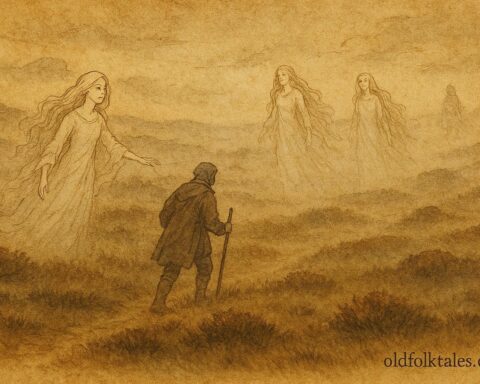
In the wide, mist-shrouded plains of the Campine, where the heather swayed in the autumn winds and narrow dirt paths wound between peat bogs and pine groves, the villagers lived in a mixture of superstition and hard-earned routine. Life here had always been a quiet rhythm of planting, tending livestock, and gathering wood for the long winters. Yet, for as long as any could remember, whispers of a dark presence haunted the region, carried in the murmurs around hearth fires and the uneasy glances cast across the fields at twilight.
It began with the livestock. On some nights, when the moon rose full and silver above the moors, cattle and sheep would be discovered torn and mangled, their cries echoing faintly in the distance. Fear spread quickly, for the wounds were unlike those left by wolves or foxes, they were deliberate, almost human in their cruelty. Farmers would double their vigilance, keeping dogs and lanterns close at hand, but nothing could prevent the slaughter.
Rumors coalesced around a single chilling notion: a man among them was cursed. Some said he had sold his soul to the devil, while others whispered of a grievous sin committed in secrecy, a crime so vile that it bound him to a monstrous fate. The villagers spoke of him only in whispers, calling him De Weerwolf van de Kempen, the Werewolf of the Campine.
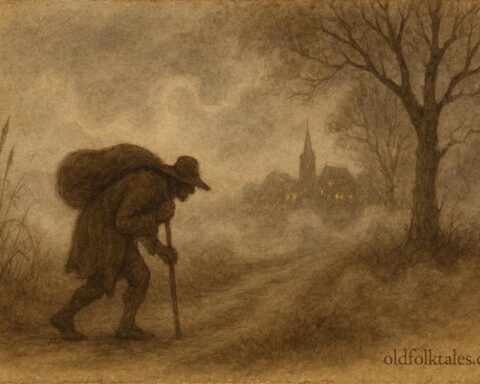
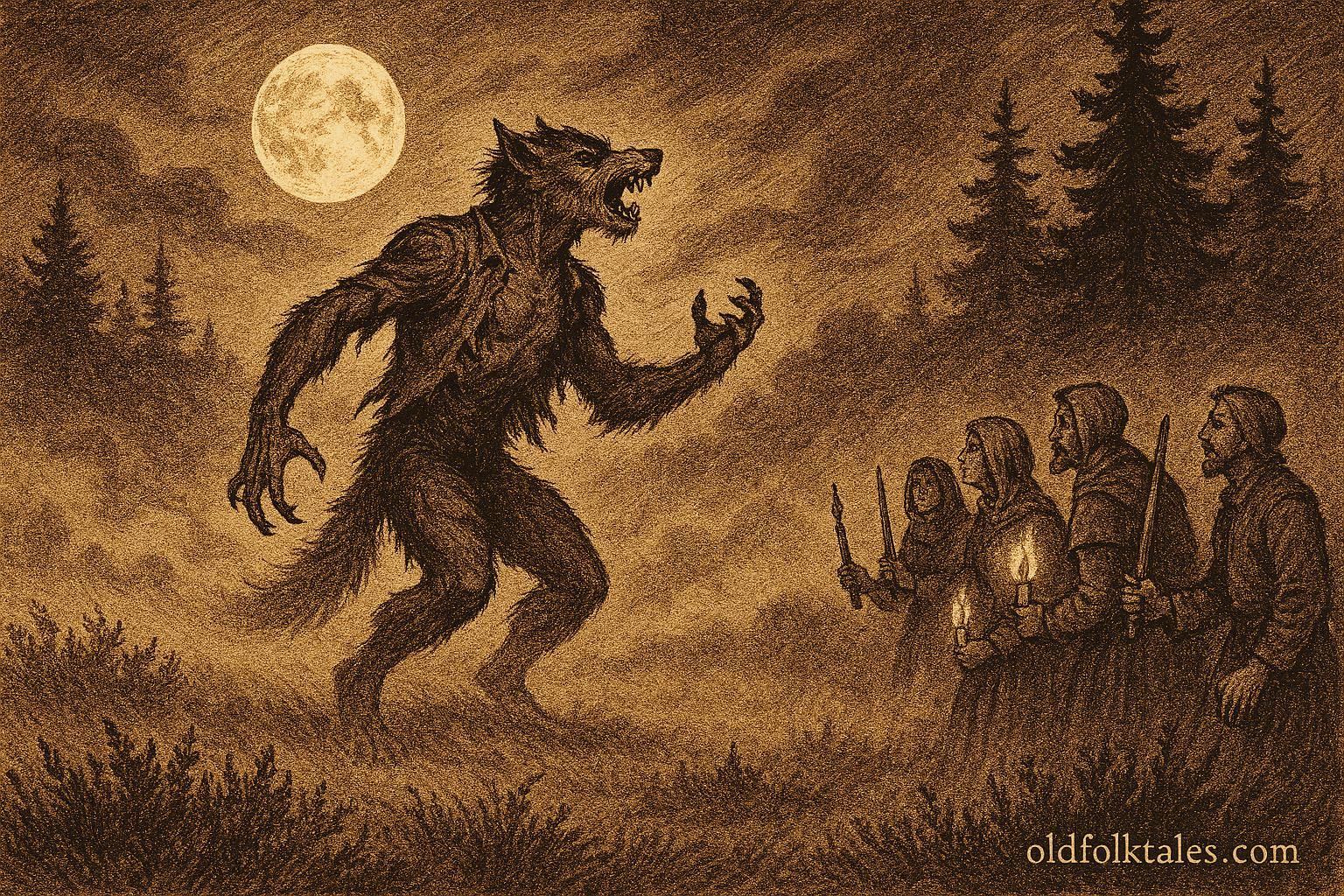
The man himself lived alone on the outskirts, in a small, moss-covered cottage. By day, he appeared ordinary, grim, quiet, and aloof, tending a meager garden and occasionally trading goods at the village market. Yet by night, the curse took hold. His body convulsed and reshaped, bones cracking and muscles stretching, until the human form was gone. In its place stood a beast: a towering werewolf, its fur matted and dark, eyes burning with a predatory gleam, teeth bared in a perpetual snarl.
The villagers’ terror grew with each passing night. Fear, suspicion, and rumor intertwined into a suffocating haze of dread. They could not walk the moors alone, nor leave the fields unattended, for the creature roamed freely, guided by a hunger that was neither fully beast nor fully man. Some nights, travelers claimed to hear the eerie howl of the werewolf, a sound that chilled the blood and lingered long after the echo faded.
It was Old Jan, a wise man who had lived through countless winters, who suggested a ritual long forgotten in the village: an ancient method said to reveal the true identity of a shapeshifter. The villagers gathered at his cottage one cold, fog-laden evening, preparing themselves with iron stakes, salted bread, and sacred herbs. They spoke prayers and recited charms, moving with a cautious, reverent fear, knowing that the night would soon test them all.
Under the light of a silvered moon, they set out across the fields. Old Jan led the ritual, calling upon the spirits of the land and the wisdom of their ancestors. They approached the grazing lands, where the werewolf had been seen last, and began the incantations. The wind shifted, carrying a metallic tang and the faint, unmistakable odor of wild beast. And then, in the clearing among the heather, it happened.
The cursed man appeared, his features distorted but momentarily human. The villagers saw the transformation unfold with trembling eyes: the claws, the fur, the monstrous silhouette, then, briefly, the man’s own horrified gaze meeting theirs. Recognition dawned, and the ritual confirmed their worst suspicions. The beast was indeed one of their own.
Confronted by the villagers, the man fell to his knees, weeping and wailing, the howl of the werewolf subsiding into the ragged sobs of a human. He confessed his sin and the dark pact that had doomed him to this fate, a transgression so grievous that it had cursed him until repentance and ritual justice were met. The villagers, guided by Old Jan, forced him to face the consequences of his actions. Bound by a mixture of fear and a sense of duty, they administered the ritual with solemn precision, combining chastisement with compassion, seeking to sever the curse without unnecessary cruelty.
Night after night, the villagers observed him under careful watch. Slowly, the human returned fully to his form, weakened and chastened but free from the monstrous transformation that had plagued the Campine for so long. The livestock were safe, and the moors, once haunted by fear, felt the cautious return of calm. Yet the memory of the werewolf lingered, a permanent scar on the landscape of their collective memory, reminding all that sin and secrecy could breed the darkest of fates.
The tale of the Werewolf of the Campine persisted for generations, told beside hearth fires to caution against greed, deceit, and the isolation that can follow moral transgression. The villagers learned that while fear might dominate the night, courage, community, and ritual justice could restore balance and heal even the deepest wounds inflicted by darkness.
Discover the timeless charm of French, Dutch, and Belgian stories filled with cleverness and heart
Moral Lesson
The Werewolf of the Campine teaches that hidden sins and secret pacts can have dire consequences, affecting not only oneself but the wider community. Courage, unity, and moral responsibility are essential to confront evil and restore harmony.
Knowledge Check
- Who was the cursed figure in the Campine folktale?
- A man from the village who transformed into a werewolf at night due to a dark pact or sin.
- What region does the Werewolf of the Campine originate from?
- The Campine (Kempen) region in Flanders, Belgium.
- What method did villagers use to reveal the werewolf’s identity?
- An ancient ritual led by Old Jan, involving charms, prayers, and sacred herbs.
- What themes are central to this Flemish folktale?
- Duality of man, sin and punishment, fear of isolation, and community justice.
- What is the moral lesson of the Werewolf of the Campine?
- That hidden sins have consequences and courage, unity, and justice are needed to overcome darkness.
- What was the villagers’ role in confronting the curse?
- They identified the werewolf, forced him to face his actions, and helped perform the ritual to break the curse.
Source: Adapted from Volksverhalen uit de Kempen (19th century, c. 1870s oral collections), Flemish folklore.
Cultural Origin: Flanders, Belgium